Choosing the right forklift for indoor warehouse use is vital for operational efficiency. Many warehouse managers often ask, "Which forklift is best for indoor warehouse use?" The answer largely depends on the specific requirements of your space. Factors such as aisle width, ceiling height, and load capacity play key roles in the decision-making process.
Electric forklifts are popular for indoor operations due to their low emissions and quiet operation. They are especially effective in warehouses with limited ventilation. Cushion-tired forklifts offer great maneuverability but may struggle on uneven surfaces. Additionally, considering the weight of your load can steer you towards the right choice.
Despite the available options, there isn’t a one-size-fits-all solution. With various models and technologies, making the right decision can be challenging. Reflect on your warehouse's unique challenges. Assessing your needs will lead you closer to a solution that boosts productivity and safety.
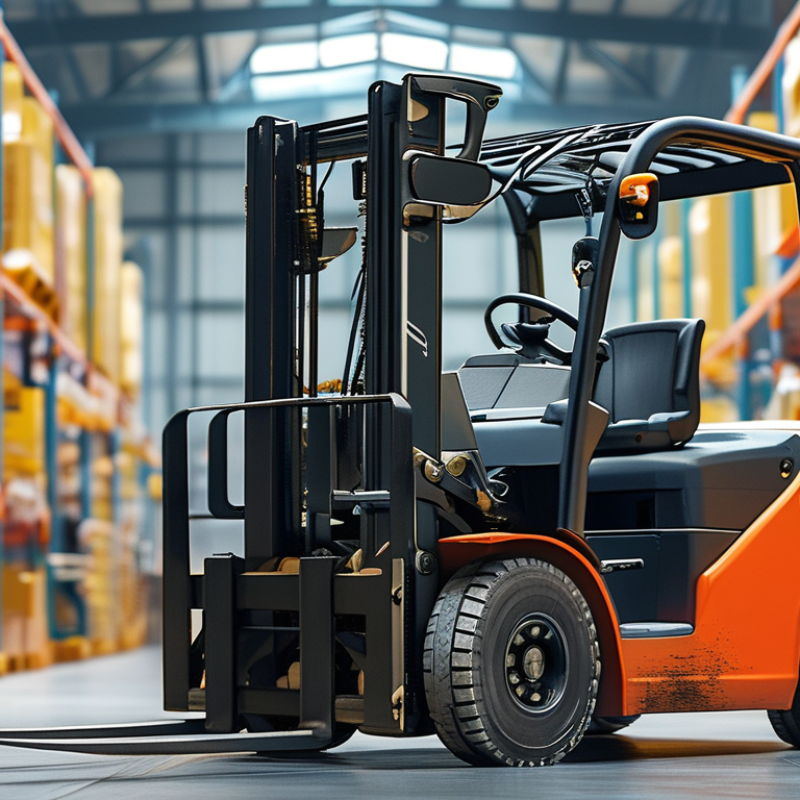
Types of Forklifts Suitable for Indoor Warehouse Environments
In an indoor warehouse, choosing the right forklift is crucial. The tight spaces and diverse racks require specific types of forklifts to ensure efficiency and safety. Electric forklifts, for example, are often ideal for indoor settings. They are quiet and produce no emissions, making them suitable for enclosed environments. Their maneuverability allows them to navigate narrow aisles with ease.
Consider pallet jacks for smaller loads. They don’t require much space and can be operated manually. On the other hand, reach trucks are perfect for high racking systems. They can extend their forks upward, reaching higher shelves without the need for larger equipment. However, they may require more training for operators due to their unique functionality.
When selecting a forklift, always think about the specific needs of your warehouse. Before making a final decision, assess the space layout and the types of loads frequently handled. Remember that operator safety should never be compromised. Training is essential, especially for equipment with complex controls.
Regular maintenance checks will also keep the forklifts running smoothly. This proactive approach minimizes downtime and increases overall productivity.
Key Factors to Consider When Choosing a Forklift for Indoor Use
When selecting the best forklift for indoor warehouse use, several key factors play a crucial role. The type of flooring in your warehouse is vital. Smooth concrete requires different tires than uneven or rough surfaces. Pneumatic tires are good for outdoor use but may not suit indoor environments. Consider the weight capacity needed for your operations. Lifting heavy pallets frequently demands a stronger forklift, while lighter loads allow for more maneuverability.
Turning radius is also essential in tight spaces. Smaller forklifts excel in confined areas, enabling easy navigation around shelves and other obstacles. The height of the racks in your warehouse matters, too. Ensure the forklift can reach the highest point safely. Additionally, evaluate the training requirements for your team. Some models are more complex. A simpler design often saves time and reduces the chance of operator error.
Safety features should never be overlooked. Look for options that include solid visibility and backup alarms. These aspects contribute to a safer working environment. Indoor use leads to unique challenges. Regular maintenance is crucial to ensure reliability and performance. Take time to understand the specific needs of your warehouse. Consider how different forklifts align with those needs before making a decision.
Advantages of Electric Forklifts for Warehouse Operations
Electric forklifts have become the go-to choice for indoor warehouse operations. They are quieter than their internal combustion counterparts. This reduction in noise creates a more pleasant environment for workers. Electric models also produce zero emissions. This is crucial, especially in enclosed spaces where air quality is vital.
Maintenance of electric forklifts is easier and less frequent. These machines do not require oil changes like gas-powered lift trucks. Moreover, they have fewer moving parts. This simplicity can translate to less downtime and lower operational costs over time. Battery technology has advanced, allowing for longer run times and faster charging. However, battery management can be challenging. Operators must ensure batteries are charged correctly to avoid disruptions.
Despite their advantages, electric forklifts can struggle on uneven surfaces or ramps. It's essential to evaluate the warehouse layout before deciding. Additionally, weight capacity might be lower compared to gasoline models. Careful consideration of specific needs is vital to make the best choice for your warehouse.
Safety Features Essential for Indoor Forklift Use
When selecting a forklift for indoor warehouse use, safety features are crucial. Forklifts operate in tight spaces. The right model can prevent accidents and injuries. Key safety features include visibility and stability systems. A well-designed overhead guard can shield operators from falling objects. Additionally, wide view masts can enhance visibility, allowing operators to navigate efficiently without blind spots.
Operators should be trained rigorously. A machine is only as safe as its operator. Implement regular safety training sessions to ensure everyone understands best practices. Emergency stop buttons and backup alarms should be standard on all indoor forklifts. Operators must know these features and how to use them.
Remember to assess the workspace layout. Are there tight corners or pedestrian traffic? If so, consider semi-electric or electric forklifts. They are quieter and often come with a tighter turning radius. Regular maintenance checks are necessary to keep the forklift in optimal condition. Checking brakes and lights routinely can prevent malfunctions. Address any concerns immediately to maintain a safe working environment.
Comparing Performance: Electric vs. LPG Forklifts for Warehouses
When comparing electric and LPG forklifts for indoor warehouse use, several key factors can impact performance.
Electric forklifts are known for their quiet operation and zero emissions. A study conducted by the Forklift Truck Association
indicated that electric models can reduce warehouse noise levels by up to 75%. This is crucial in environments where
communication matters.
On the other hand, LPG forklifts provide higher power output, which is beneficial for heavy lifting tasks.
Battery life is a significant factor in the electric vs. LPG discussion. Electric forklifts typically require downtime
for battery charging. According to industry reports, a single charge may last anywhere from 6 to 10 hours, depending on usage.
After extensive operational hours, battery performance may decrease, requiring costly replacements. Contrarily, LPG models
can refuel quickly, minimizing downtime during operations. However, they emit greenhouse gases, which could impact indoor air quality.
Another important consideration is maintenance. Electric forklifts tend to require less maintenance over time. They have
fewer moving parts, which can lead to reduced repair costs. However, some operators report challenges in battery
maintenance, which can become a hassle.
LPG forklifts, while more reliable in heavy-duty tasks, might incur higher fuel costs and have more stringent servicing
requirements. Each type has its strengths and weaknesses, and careful evaluation is needed to determine the best fit for
a specific warehouse environment.
FAQS
: Smooth concrete needs different tires than uneven surfaces. Choose wisely based on your warehouse flooring.
Heavier loads need stronger forklifts. Lighter loads allow for easier maneuvering. Balance is key.
Smaller forklifts work well in tight spaces. They help navigate around shelves and obstacles easily.
Racks' height determines how high forklifts must lift. Ensure the forklift can reach safely.
Training matters, especially for complex models. Simpler designs may reduce operator errors.
Consider visibility and backup alarms. These features contribute to a safer working environment.
Electric forklifts are quieter and have zero emissions. LPG forklifts provide higher power output.
Electric forklifts need downtime for charging. A charge lasts 6 to 10 hours, depending on use.
Electric forklifts require less maintenance overall, but batteries can be a hassle. LPG models have stricter servicing needs.
LPG forklifts emit gases that may affect indoor air quality. Think about the working environment carefully.
Conclusion
When considering the question, "Which forklift is best for indoor warehouse use?", it's essential to explore the types of forklifts that excel in indoor environments. Electric forklifts are often favored for their quiet operation and zero emissions, making them suitable for enclosed spaces. Key factors in selecting a forklift include load capacity, maneuverability, and battery life, which are critical for efficient warehouse operations.
Additionally, safety features such as stability control, visibility enhancements, and automatic braking should be prioritized to ensure safe usage in crowded aisles. A comparison between electric and LPG forklifts reveals that while electric models offer environmental benefits, LPG forklifts may provide longer operational times, so the choice ultimately depends on the specific needs of the warehouse environment.

 Titan Forklift