Understanding how to calculate the load capacity of a forklift is crucial for safe operations. Incorrect calculations can lead to accidents and costly damages. Forklifts are essential in warehouses and construction sites, handling heavy loads. Yet, improper usage can jeopardize safety.
The load capacity depends on several factors, including the forklift model, weight distribution, and the load's center of gravity. Operators must be trained to consider these elements carefully. It’s not just about lifting weights; it’s about ensuring stability. Sometimes, operators might overlook the specific load ratings on their machines.
To enhance safety, regular assessments of load capacity are necessary. Evaluating the condition of the forklift and the loads being handled is vital. This process requires diligence and can be a challenge in busy environments. Operators should reflect on their practices, ensuring adherence to safety guidelines at all times. The stakes are high, and awareness is key.
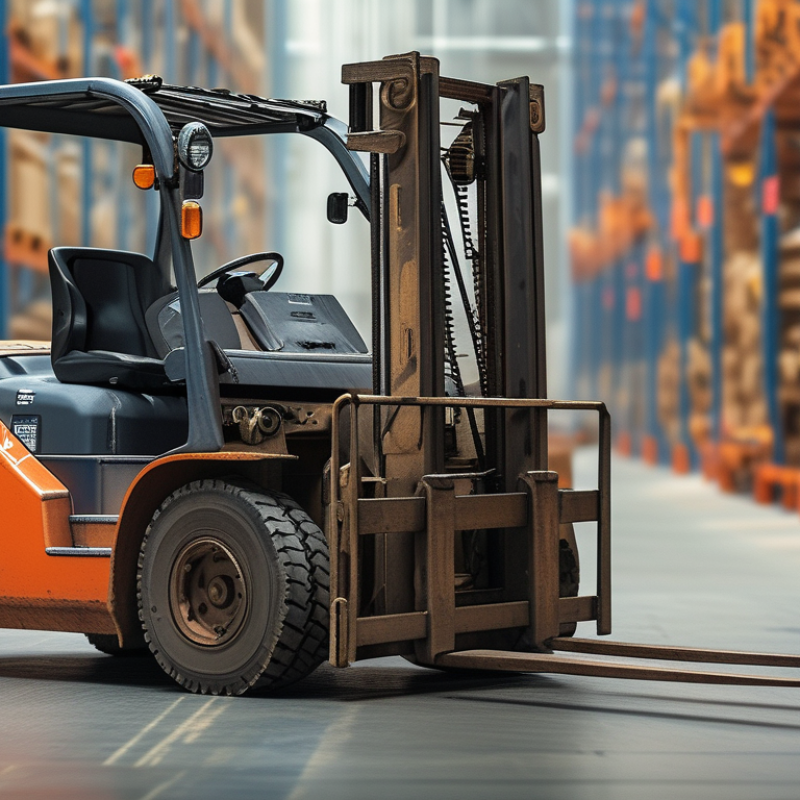
Understanding Forklift Load Capacity Fundamentals
Understanding forklift load capacity is crucial for safe operations. A forklift's load capacity refers to its ability to lift and support a specified weight while maintaining stability. This capacity varies by model and is influenced by factors like the load center, the type of load, and the forklift’s configuration. According to the Occupational Safety and Health Administration (OSHA), ensuring compliance with these guidelines can enhance workplace safety by reducing accidents.
The load center is a critical measurement. Generally, a load center of 24 inches is standard for most forklifts. If a load extends beyond this center, the lifting capacity decreases significantly. For instance, a forklift rated at 5,000 pounds may only handle 3,500 pounds if the load center is increased to 40 inches. Industry studies indicate that improper load handling can contribute to over 20% of workplace injuries related to material handling.
It is essential to regularly assess the forklift's load capabilities. Overloading can result in tipping or loss of control. Regular training for operators complements load capacity awareness, yet many facilities overlook this vital aspect. Ensuring constant education on load limits should be a priority to improve overall safety. Adopting a proactive approach can reduce risks substantially, yet many companies still struggle with implementing these necessary training programs.
Identifying Key Factors Affecting Load Capacity
When discussing forklift load capacity, several key factors come into play. One major element is the forklift's design itself. Different models have unique specifications that determine how much weight they can handle safely. Understanding these specifications helps operators make informed decisions about load limits.
Another crucial factor is the load's center of gravity. If a load is too high or unevenly distributed, it can increase the risk of tipping. This issue is often overlooked. Operators should always assess the stability of the load before lifting. The weight distribution greatly affects how the forklift performs.
Environmental conditions also impact load capacity. Slippery or uneven surfaces can compromise safety. Operators may rely on forecasts to prepare equipment for adverse conditions. However, they might overlook minor changes in terrain, leading to potential hazards. By understanding these factors, operators can enhance their safety practices and minimize risks.
Forklift Load Capacity Analysis
This chart illustrates the various factors affecting forklift load capacity, such as weight distribution, lift height, and fork length. Understanding these factors is crucial for ensuring safe operations in material handling.
Calculating Load Capacity Based on Forklift Specifications
Understanding your forklift's load capacity is essential for safe operations. Load capacity is often determined by the forklift's specifications, particularly its rated capacity. This figure indicates the maximum weight a forklift can safely lift and is usually marked on the machine itself. It’s crucial to refer to the manufacturer's data plate to find this information.
Calculating load capacity also involves considering the load center. The load center is the distance from the forks to the center of the load's weight. If the load is too far from the forks, it can create instability. Many operators mistakenly underestimate this factor, leading to unsafe lifting conditions. Additionally, environmental factors like uneven surfaces can affect stability. Ensuring you are on a level surface enhances safety and reduces risk.
Lastly, remember that not all loads are uniform. Different shapes and sizes can impact how weight is distributed. It is vital to assess the entire load before attempting to lift. Factors like load type and handling requirements should be weighed carefully. A lack of attention to these details can lead to accidents. Regular training and refreshers for operators can enhance understanding of load capacity and safety measures.
Safety Guidelines for Operating Forklifts with Loads
Operating a forklift requires attention to safety guidelines, crucial to ensuring workplace safety. The operating environment plays a significant role. Assess the area for obstacles and ensure paths are clear. Visibility is key. It's vital to keep the load as low as possible. This helps prevent tipping and maintains control.
When lifting loads, operators must adhere to weight limits. Overloading can lead to accidents. Use the forklift’s load capacity label as a reference. Regularly check forklifts for maintenance issues. Worn-out parts can compromise safety. Training is essential. Operators should be certified and understand the equipment they use.
Awareness is paramount in dynamic environments. Be mindful of pedestrians and other equipment. Communication signals can prevent accidents. Always approach corners and turns with caution. Reflect on past experiences for improvement. Safety isn’t just a guideline; it’s a commitment to protecting everyone in the workplace.
How to Calculate Forklift Load Capacity for Safe Operations?
| Forklift Model |
Load Capacity (lbs) |
Load Center (inches) |
Lift Height (feet) |
Stability Rating |
| Model A |
4000 |
24 |
15 |
Good |
| Model B |
5000 |
30 |
12 |
Excellent |
| Model C |
6000 |
36 |
10 |
Fair |
| Model D |
3000 |
20 |
18 |
Good |
Regular Maintenance to Ensure Accurate Load Capacity
Regular maintenance of forklifts is crucial for ensuring accurate load capacity and safe operations.
According to data from the Occupational Safety and Health Administration (OSHA), improper maintenance can lead to a significant increase in workplace accidents during forklift operations.
These accidents often stem from overloaded forklifts or equipment failures, highlighting the importance of routine checks.
Tips: Regularly inspect the lifting mechanism. Ensure it operates smoothly and shows no wear or damage.
Research from the National Safety Council indicates that 20% of forklift accidents are attributed to mechanical failures.
Check the hydraulic systems and tires, as they heavily influence load handling.
Maintaining accurate load capacity requires a thorough understanding of the forklift's specifications.
Operators should know the maximum allowable load as detailed in the manufacturer’s guidelines.
Misunderstandings can lead to exceeding these limits. It's not just about numbers; a forklift's stability can falter unexpectedly under strain.
Tips: Train operators on load limits and stability principles. An informed operator makes safer choices.
Maintenance records should be kept meticulously. Regular audits will help identify patterns that may necessitate future adjustments in handling practices or equipment upgrades.
Conclusion
Understanding how to calculate the load capacity of a forklift is crucial for ensuring safe operations in any material handling environment. This process begins with grasping the fundamental principles of forklift load capacity, which include recognizing the design limits set forth by manufacturers. Key factors influencing load capacity include the forklift's model, weight distribution, load center, and the operating conditions.
To calculate the load capacity based on forklift specifications, operators need to assess these specifications and apply them to real-world scenarios while adhering to safety guidelines during operations. Regular maintenance also plays a vital role in ensuring that the forklift functions accurately and safely, preventing any discrepancies in load capacity calculations. By following these steps, operators can effectively determine how to calculate the load capacity of a forklift and maintain safe working conditions.

 Titan Forklift