Charging an electric forklift battery requires careful attention to detail and proper techniques. Many operators overlook this important task. Often, improper charging can lead to battery damage and reduced lifespan. You might wonder, "How to charge an electric forklift battery correctly?" The answer lies in understanding a few essential practices.
First, ensure that you use a compatible charger designed for your specific battery type. Mismatched chargers can cause overheating or insufficient charging. Next, keep the battery terminals clean and free from corrosion. Regular maintenance is crucial for optimal performance. Moreover, avoid letting the battery discharge completely before charging. This habit can harm battery health over time.
Finally, remember that charging in a cool, well-ventilated area is key. Heat can significantly affect battery efficiency. Take time to reflect on these aspects. Even experienced operators can improve their charging practices. With the right knowledge, you can enhance battery performance and longevity.
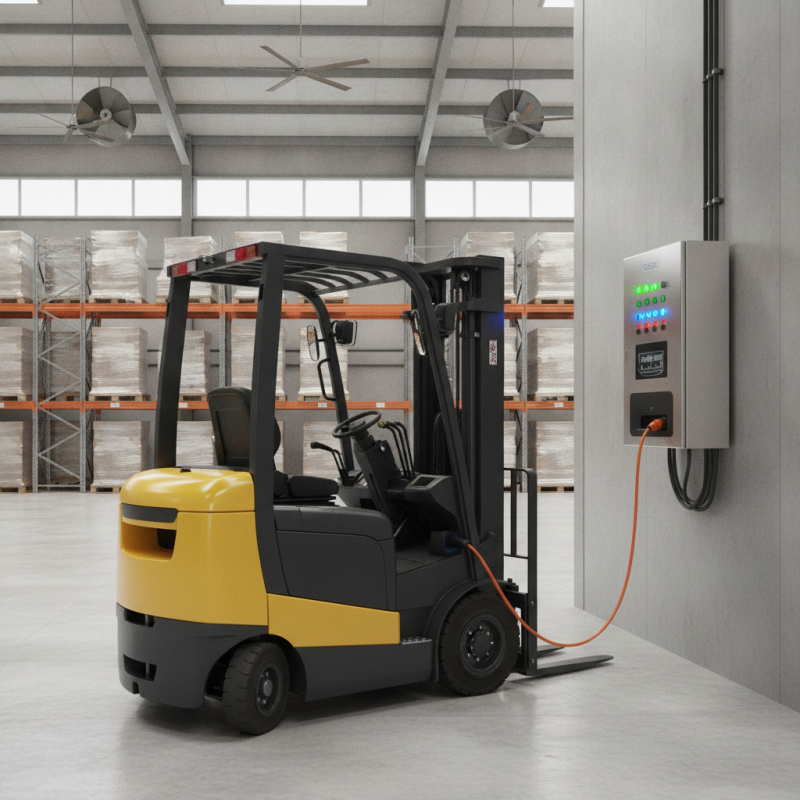
Electric forklifts are becoming increasingly popular in various industries. Understanding battery types and specifications is crucial for optimal performance. Most electric forklifts use lead-acid or lithium-ion batteries. Lead-acid batteries are the traditional choice, known for their robustness and cost-effectiveness. However, they require regular maintenance and take longer to charge. In contrast, lithium-ion batteries offer faster charging times and longer lifespans. According to a study by the Electric Power Research Institute, lithium-ion batteries can last up to three times longer than their lead-acid counterparts.
Tips: Always check the manufacturer's battery specifications. This ensures compatibility and performance. Measure the required voltage and capacity for your application.
Battery management systems play a vital role. They monitor health and performance, providing data insights. Regular maintenance can help identify issues early. While lead-acid batteries may require fluid checks, lithium-ion batteries are generally maintenance-free. This ease of use is one reason for their growing adoption in warehouses and manufacturing plants.
Tips: Keep batteries clean and free of corrosion. This can enhance lifespan. Training staff on proper charging methods is also important. It's often overlooked but essential for safety and efficiency.
Charging an electric forklift battery requires strict adherence to safety protocols. Before you start, ensure the area is well-ventilated. Batteries can emit harmful gases during charging. Clear away any flammable materials nearby. This simple step can prevent potential fires and explosions.
Wear appropriate personal protective equipment (PPE) like gloves and goggles. These items can protect you from acid splashes and electrical hazards. Check the battery for any signs of damage or leakage. A damaged battery can pose serious risks during charging.
Tip: Always connect the charger to the battery before plugging it into a power source. This habit reduces the chance of sparks that could ignite gases. Keep all charging cables in good condition and free from damage. Worn cables can lead to electrical failures.
Monitor the charging process constantly. Some batteries can overheat if left unattended. Familiarize yourself with the battery's specifications, including voltage and recommended charge time. Ignoring these details can lead to inefficiency or damage. Mind these precautions for safe and effective charging.
Connecting the charger to an electric forklift battery might seem straightforward, yet precision is crucial. Proper connection techniques help maximize battery life and efficiency. According to industry reports, improper charging can reduce battery performance by up to 30%. Start by ensuring the battery and charger are both turned off. This small precaution prevents electrical surges that could damage the equipment.
Next, identify the correct polarity. Connect the positive cable to the battery’s positive terminal first. Then, attach the negative cable to the negative terminal. Neglecting this step may lead to short circuits. Industry insights suggest that nearly 15% of battery failures stem from incorrect connections.
Finally, before switching on the charger, double-check all connections. Loose or wrongly positioned cables can create risks. Wear protective gear and be aware of the battery's condition. Regular inspections of connectors and cables are vital for safe operations. Even minor wear can cause significant problems. The right approach not only ensures the longevity of your battery but also enhances safety in the workplace.
When managing the charging times of electric forklift batteries, timing is crucial. According to industry reports, charging a battery for too long can lead to overheating. Overheating shortens the life span of the battery significantly. Battery manufacturers suggest an optimal charging time of 8 to 10 hours for standard lead-acid batteries to fully recharge. Regular monitoring can help you avoid complications.
Using a smart charging system can enhance battery management. These systems help track the battery’s state of charge (SOC) and recommend ideal charging periods. Studies show that batteries charged during off-peak hours experience lower stress, improving their longevity by up to 30%. However, relying solely on technology can lead to complacency. It remains necessary to check water levels and inspect terminals regularly to ensure proper functioning.
Additionally, not every forklift will have the same charging needs. High-demand operations may require shorter, more frequent charging sessions. This can cause unnecessary wear if not monitored. Operators should keep logs of usage patterns and charge cycles. This data provides insights for making informed decisions, ultimately maximizing the battery life while minimizing operational costs.
Post-charging maintenance is vital for electric forklift batteries. After charging, inspect the battery for any signs of wear or damage. Check for bulges or leaks. Keeping the battery clean can significantly enhance its lifespan. A damp cloth works to wipe away dust or corrosion.
Monitoring the water levels is crucial. Distilled water should be added if levels are low. Avoid overfilling, as that can lead to spills and potential damage. Regular maintenance can prevent costly repairs down the line. Ensure the battery terminals are tight and free from corrosion.
Battery temperature is another key aspect. If the battery feels unusually hot post-charge, it may indicate underlying issues. Consult a professional for further analysis. Adequate ventilation is also important to prevent overheating during charging. Taking these steps guarantees smoother operation and longer battery life. Balancing maintenance with operational use can be challenging, yet it’s essential for optimal performance.
: Ensure good ventilation in the charging area. Remove flammable materials nearby to prevent fires.
PPE like gloves and goggles protects against acid splashes and electrical hazards that could pose risks.
Inspect for any signs of damage or leakage. A damaged battery can create serious dangers during charging.
Connect the positive cable to the positive terminal first, then the negative cable to the negative terminal.
Unattended batteries can overheat, leading to inefficiency and potential risks during charging.
Charge standard lead-acid batteries for 8 to 10 hours for optimal performance and longevity.
Overcharging can cause overheating, significantly reducing the battery's lifespan and efficiency.
They track the battery's state of charge and suggest ideal charging times, enhancing battery longevity.
Regularly check water levels and inspect terminals to ensure optimal battery function.
Keep logs of usage patterns and charge cycles to make informed decisions regarding charging needs.
Charging an electric forklift battery correctly is crucial for ensuring optimal performance and longevity. First, it's important to understand the different types and specifications of electric forklift batteries, as this knowledge helps in selecting the appropriate charger and settings. Before charging, essential safety precautions must be taken, such as checking for damage and ensuring a well-ventilated area.
Once you're ready to charge, follow a step-by-step guide to connect the charger properly to the battery. Monitoring and managing the charging times is key to maximizing battery life, as overcharging can lead to damage. Finally, implement post-charging maintenance tips to enhance the health and efficiency of the battery. By following these guidelines, you can confidently learn how to charge an electric forklift battery correctly and maintain its performance over time.

Titan Forklift