How to Cut Fuel Consumption in IC Forklifts Effectively?

Time:2026-06-22 Author:Liam
0%

In today's industrial landscape, fuel efficiency has become a crucial concern. Businesses operating internal combustion (IC) forklifts are increasingly asking, "How to reduce fuel consumption in IC forklifts?" This pressing question highlights the need for effective strategies to minimize fuel usage and reduce costs. With rising fuel prices and environmental impact concerns, the urgency for solutions is more significant than ever.

Reducing fuel consumption is not just about financial savings. It also demonstrates a commitment to sustainability. Companies that effectively address this issue can gain a competitive edge. Implementing specific techniques can lead to remarkable improvements in fuel efficiency. However, there are common pitfalls that many businesses encounter. Some may overlook routine maintenance, which is vital for optimal performance. Others might fail to train their operators adequately.

Identifying the right practices is essential. Small changes can yield substantial results. Keeping track of fuel usage is a good starting point. Understanding how and when fuel is consumed can shed light on potential waste. These insights pave the way for smarter decisions. The journey to cutting fuel consumption requires careful consideration and ongoing evaluation. With the right approach, businesses can not only enhance their operational efficiency but also contribute positively to the environment.
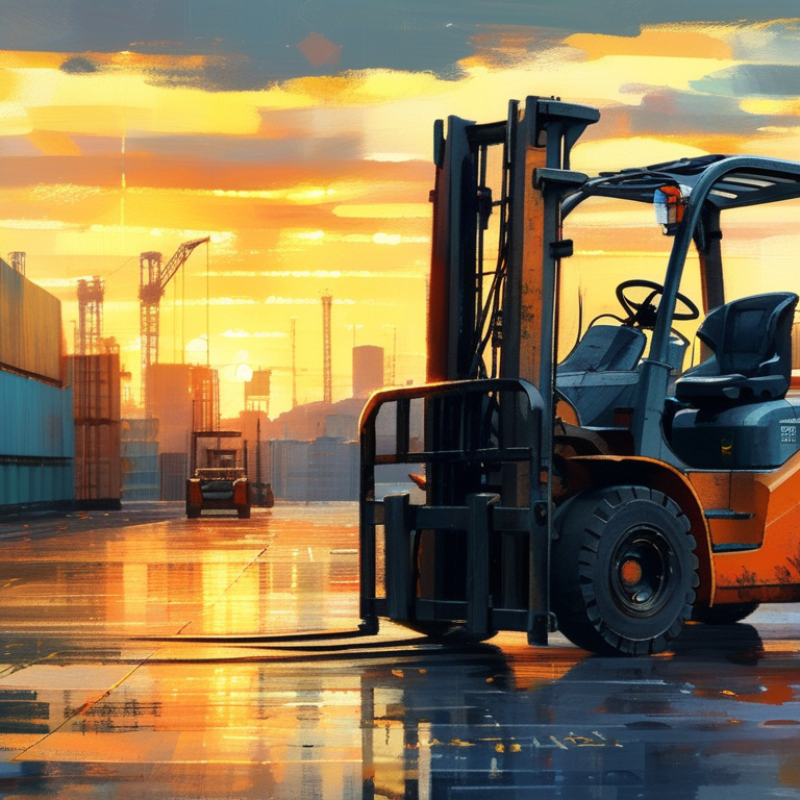
How to Cut Fuel Consumption in IC Forklifts Effectively?

Understanding Fuel Consumption in Internal Combustion Forklifts

Fuel consumption in internal combustion (IC) forklifts is a critical concern for many businesses. These machines are known for their operational efficiency but can be less fuel-efficient compared to their electric counterparts. According to a report by the Forklift Manufacturer's Association, IC forklifts can consume between 2 to 3 gallons of fuel per hour, depending on various factors. Understanding these variables can help businesses reduce fuel costs.

One significant factor affecting fuel consumption is the load being carried. Heavier loads require more power and fuel. It's essential to analyze load weights and minimize unnecessary lifting. Moreover, implementing routine maintenance can boost efficiency. Regular checks on the engine, fuel injectors, and air filters can lead to a fuel consumption reduction of up to 10%.

**Tip:** Train operators to reduce idle time. Excessive idling wastes fuel and unnecessary wear on the engine. Additionally, employing fuel-efficient driving techniques can help further minimize consumption.

Another critical aspect is the operational environment. Poor terrain or inefficient warehouse layouts can lead to higher fuel usage. An ideal routing strategy can optimize driving distances, ultimately improving fuel economy.

**Tip:** Analyze your operational layout. Ensure clear pathways are established and minimize sharp turns. This small adjustment can lead to significant fuel savings over time.

How to Cut Fuel Consumption in IC Forklifts Effectively? - Understanding Fuel Consumption in Internal Combustion Forklifts

Dimension Details Fuel Consumption (L/h) Operational Efficiency (%)
Load Weight 1,000 kg 4.5 78
Load Weight 1,500 kg 6.0 75
Tire Pressure Optimal 5.0 82
Tire Pressure Low 6.5 70
Engine Maintenance Regular 4.0 85
Engine Maintenance Neglected 7.0 68
Idle Time Minimal 4.2 80
Idle Time Excessive 7.5 65

Maintenance Tips for Improving Fuel Efficiency in Forklift Engines

Effective maintenance of internal combustion (IC) forklifts is crucial for reducing fuel consumption. Regularly checking and replacing air filters can significantly enhance engine performance. A clean air filter can improve fuel efficiency by up to 10%, according to industry reports. Neglecting this aspect leads to poor airflow, which strains the engine and increases fuel use.

Engine oil quality also plays a vital role. Using high-quality oil reduces friction and enhances engine efficiency. Studies indicate that using the right oil can improve fuel efficiency by 5% to 8%. Regular oil changes ensure the engine runs smoothly. However, many forklift operators overlook this essential maintenance step. Instead, they postpone oil changes, leading to increased fuel consumption and unplanned downtime.

Tire pressure can influence fuel usage as well. Under-inflated tires increase rolling resistance, causing engines to work harder. Maintaining proper tire pressure can result in fuel savings of 2% to 4%. Additionally, regular inspections for tire wear can prevent unexpected failures. Whole fleets could benefit from being trained on these maintenance practices. Prioritizing these simple yet effective steps may seem tedious but is essential for optimal fuel efficiency in forklift operations.

Operating Practices to Reduce Fuel Usage in Forklift Operations

Effective fuel consumption reduction in internal combustion (IC) forklifts starts with optimizing operating practices. According to a report by the U.S. Department of Energy, proper training of operators can lead to a fuel savings potential of up to 15%. Operators should be trained to maintain a smooth driving style. Rapid acceleration and sudden stops can drastically increase fuel usage. Encouraging operators to use lower engine speeds can also contribute significantly to lower fuel consumption.

Another important practice is regular maintenance. An often-overlooked detail is ensuring that engine filters are clean and replaced regularly. Dirty filters can reduce engine efficiency and increase fuel consumption by up to 10%. Additionally, checking tire pressure and ensuring they are properly inflated can play a huge role in fuel efficiency. Under-inflated tires create more rolling resistance, leading to additional fuel use.

Implementing a monitoring system can bring valuable insights. Studies show that tracking fuel usage data can identify inefficiencies and suggest improvements. Operators can reflect on their driving habits by reviewing this data. Awareness leads to better practices and can effectively reduce fuel consumption. Emphasizing consistent evaluations and practice adjustments is essential for sustained savings.

How to Cut Fuel Consumption in IC Forklifts Effectively

Choosing the Right Forklift Model for Fuel Economy Optimization

When considering fuel economy, choosing the right forklift model is vital. Different models have varying fuel efficiencies. Some models may seem cost-effective upfront but can lead to higher consumption in the long run. It's essential to analyze your specific operational needs. Look for a model that can handle your load capacities without excessive power.

Also, consider the engine type. Diesel engines often provide better fuel efficiency than gas ones. However, operational settings should dictate the choice. Operators must feel comfortable using the selected engine type to maximize effectiveness. Regular maintenance cannot be overlooked either. A small oversight can lead to reduced efficiency.

Lastly, the forklift's design impacts fuel consumption too. Models with better aerodynamics can perform more efficiently. Understand how operational patterns influence consumption. Review past fuel usage records. Educational insights from these records can assist in making informed decisions. Select a model that aligns with both current and future needs. This approach demands reflection on usage patterns and ongoing adjustments.

Implementing Fuel Management Systems for Effective Monitoring

Implementing effective fuel management systems in internal combustion (IC) forklifts is crucial for optimizing fuel consumption. These systems enable accurate monitoring of fuel usage. Consistent tracking helps identify inefficiencies and highlights areas for improvement. By analyzing real-time data, operators can make informed decisions to reduce unnecessary fuel expenses.

Tips: Regularly review fuel consumption data. Look for unusual spikes in consumption. This could indicate mechanical issues or operator behaviors that need addressing. Small leaks or improper maintenance can also lead to significant fuel wastage.

Additionally, consider driver training programs. Educating operators on fuel-efficient driving techniques can further decrease consumption. Encourage practices like smooth acceleration and minimizing idle time. Such measures not only save fuel but can enhance overall equipment lifespan. Ensure your team understands the direct link between their driving habits and fuel efficiency.

It's important to remember that achieving optimal performance is an ongoing process. Continuous evaluation of your fuel management system is essential. Make necessary adjustments based on findings to sustain fuel efficiency long-term. Embrace a culture of accountability and commitment to sustainability within your operations.

FAQS

: Why is operator training important for fuel efficiency in forklifts?

: Proper training can lead to fuel savings up to 15%. Smooth driving styles reduce consumption significantly.

How can driving habits impact fuel usage?

Rapid acceleration and sudden stops increase fuel consumption. Operators should maintain consistent speeds.

What role does regular maintenance play in fuel efficiency?

Regularly cleaning engine filters and checking tire pressure reduces fuel consumption by up to 10%.

How can monitoring systems help in reducing fuel consumption?

Tracking fuel usage data identifies inefficiencies. Insights can encourage operators to improve their driving habits.

What factors should be considered when choosing a forklift model?

Evaluate load capacities and engine types. Diesel engines generally provide better fuel efficiency than gas ones.

How does forklift design influence fuel consumption?

A more aerodynamic design enhances efficiency. Analyze operational patterns to make better choices regarding models.

What should operators do if they notice unusual spikes in fuel consumption?

Investigate potential mechanical issues or evaluate driving habits. Small maintenance oversights can lead to significant waste.

What practices can improve fuel efficiency during operation?

Operators should practice smooth acceleration and minimize idle time. These habits enhance equipment lifespan and reduce waste.

How often should fuel management systems be evaluated?

Continuous evaluation is essential. Adjustments based on findings can help maintain long-term fuel efficiency.

What is the importance of fostering a culture of accountability?

Building a culture focused on sustainability encourages better practices and commitment to reducing fuel usage.

Conclusion

In addressing the question of "How to reduce fuel consumption in IC forklifts?", it is essential to grasp the factors influencing fuel usage in internal combustion forklifts. Regular maintenance of forklift engines plays a crucial role in optimizing fuel efficiency, as it ensures that engines operate at peak performance. Additionally, adopting effective operating practices can significantly lower fuel usage during forklift operations, such as training operators in efficient driving techniques and minimizing idle time.

Choosing the right forklift model is another vital step for fuel economy optimization, as specific models are designed with advanced fuel-saving technologies. Furthermore, implementing fuel management systems aids in effective monitoring and control of fuel consumption, providing insights that help identify areas for improvement. By combining these strategies, businesses can effectively reduce fuel costs while enhancing overall operational efficiency.

Liam

Liam

Liam is a dedicated marketing professional with a profound expertise in the industry, where he excels at highlighting the unique advantages of our core products. With a keen understanding of market trends and consumer needs, Liam frequently updates our company’s professional blog, providing......