Electric vs Diesel Forklifts 7 Key Factors to Consider?

Time:2026-07-20 Author:Isabella
0%

Choosing the right forklift for your business can be challenging. Electric and diesel forklifts both have unique advantages and disadvantages. Understanding these differences is essential. This will help you make an informed decision.

How to choose between electric and diesel forklifts? Consider your operational needs first. Electric forklifts offer quieter operation and lower emissions. They are ideal for indoor use. However, you may face limited runtime due to battery life. In contrast, diesel forklifts excel in heavy-duty applications. They provide longer operating hours and faster refueling. Yet, they release emissions, which can be a significant drawback in enclosed spaces.

Maintenance and costs also play a key role. Electric forklifts usually have lower maintenance costs. They have fewer moving parts, which means fewer repairs. Diesel forklifts, while powerful, require regular maintenance and fuel expenses. The choice comes down to your priorities. Think about whether you value efficiency and sustainability over power and endurance. Reflecting on these factors will guide you in selecting the right forklift for your specific needs.
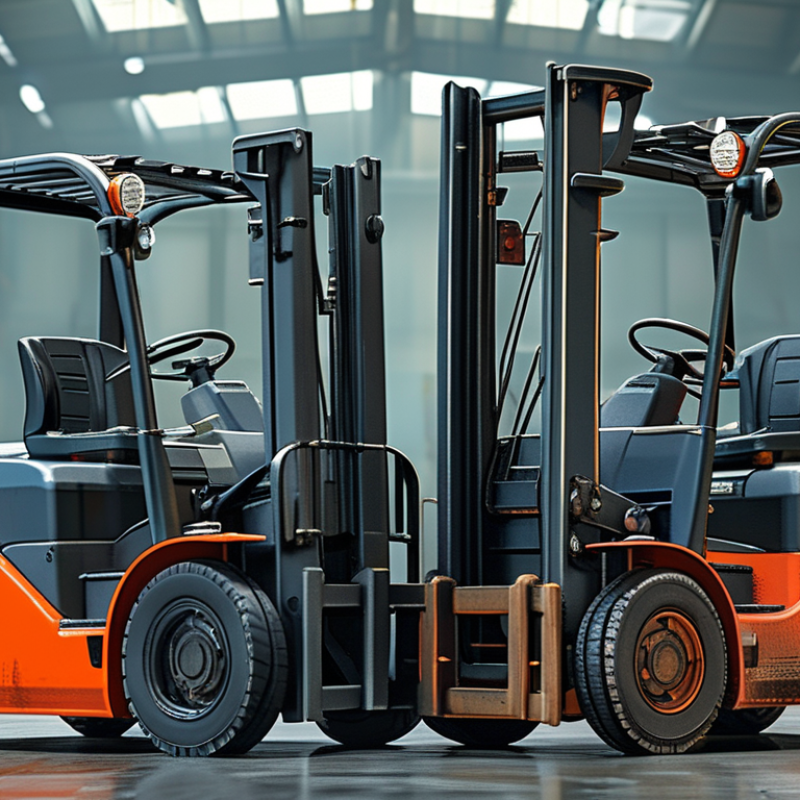
Electric vs Diesel Forklifts 7 Key Factors to Consider?

Electric Forklifts: Advantages and Limitations Compared to Diesel Models

Electric forklifts offer several advantages over diesel models. They produce zero emissions, making them ideal for indoor use. This is crucial in environments like warehouses or factories where air quality matters. Their quieter operation enhances worker comfort. Employees can focus better in a peaceful setting. Battery life has improved significantly, extending operational hours without frequent recharging.


However, electric forklifts have limitations. They typically require more downtime for charging. This can disrupt workflow in busy settings. Additionally, their initial cost is often higher than that of diesel counterparts. While maintenance costs are lower, the upfront investment can pose a challenge.


It's essential to consider specific operational needs when choosing between electric and diesel. Each type has unique benefits that may cater better to different applications. Evaluating the environment, daily operations, and budget constraints is vital. Finding the right balance ensures efficiency and productivity.

Diesel Forklifts: Benefits and Drawbacks in Industrial Applications

When considering diesel forklifts for industrial applications, it's important to evaluate their benefits and drawbacks. Diesel forklifts are known for their power and durability. They can handle heavy loads and operate effectively in tough environments. However, they often produce more emissions than electric models, which is a significant concern in today’s eco-conscious world.

In terms of operational costs, diesel forklifts usually have lower fuel expenses compared to electric forklifts. Despite this, maintenance costs can be higher due to the complexity of diesel engines. This contrast prompts companies to weigh the long-term savings against immediate expenses.

**Tip:** Monitor fuel and maintenance expenses closely. This can help in understanding the true cost of ownership over time.

Additionally, evaluate your workspace. Diesel forklifts may be unsuitable for indoor operations due to exhaust issues. If your operations are not limited to outdoor environments, consider electric forklifts for a cleaner alternative.

**Tip:** Regularly assess your operational environment. Is it suited for diesel, or should you choose electric? Your choice impacts productivity and employee comfort.

Operational Efficiency: Evaluating Performance Metrics of Each Type

When comparing electric and diesel forklifts, operational efficiency emerges as a critical factor. Performance metrics vary significantly between the two types. Diesel forklifts often deliver higher lifting power and can operate in diverse outdoor conditions. Reports indicate they have an average lifting capacity of 5,000 to 15,000 pounds. However, they are less energy-efficient, consuming more fuel and producing higher emissions.

In contrast, electric forklifts excel in indoor usage, showing lower noise levels and zero emissions. They can substantially reduce operational costs over time. Data reveals that electric models have an average operational cost that is 50% lower than their diesel counterparts, primarily due to reduced maintenance needs and energy efficiency. This highlights the need for companies to consider their workspace and usage patterns.

Tips: Assess the specific duties of your fleet. An outdoor-heavy operation may favor diesel. If you primarily work indoors, consider electric options, which may provide better long-term savings. Each choice needs careful evaluation based on both short-term needs and long-term impact.

Electric vs Diesel Forklifts: 7 Key Factors to Consider - Operational Efficiency

Factor Electric Forklifts Diesel Forklifts
Initial Cost Higher Lower
Operating Cost Lower (Electricity) Higher (Fuel)
Maintenance Lower (Fewer moving parts) Higher (Engine maintenance)
Environmental Impact Lower (Zero emissions) Higher (Emissions)
Noise Level Quieter Louder
Battery Life Limited to charging cycles Unlimited as long as fuel is available
Performance in Outdoor Environments Limited Superior

Environmental Impact: Assessing Emissions and Sustainability Factors

When evaluating electric and diesel forklifts, one cannot overlook their environmental impact. Diesel forklifts are known for high emissions. These emissions include nitrogen oxides and particulate matter. Such pollutants can affect air quality and contribute to climate change. In contrast, electric forklifts produce no tailpipe emissions. This difference is crucial for companies seeking to minimize their carbon footprint.

Sustainability also plays a vital role in this discussion. Electric forklifts often use batteries that are recyclable, promoting a circular economy. However, the production of batteries can involve environmentally harmful mining practices. Diesel engines, while emitting more pollutants, can operate for longer periods without needing extensive charging times. This efficiency can lead to short-term resource benefits, but it may compromise long-term sustainability.

Ultimately, the choice between electric and diesel forklifts involves complex trade-offs. Companies must weigh immediate operational needs against long-term environmental goals. Each option presents unique challenges and benefits. It requires a thoughtful approach to align business practices with sustainability efforts. Understanding these nuances is essential for informed decision-making.

Cost Considerations: Initial Investment and Long-Term Maintenance Expenses

When considering forklifts, cost is a crucial factor. Electric and diesel forklifts come with different price tags. A report from Forkliftaction states that electric forklifts can have a higher initial cost, averaging around 20-30% more than their diesel counterparts. However, this must be weighed against their lower operating costs.

Long-term maintenance expenses are vital to this equation. Electric forklifts require less maintenance due to fewer moving parts. According to the Material Handling Industry report, electric machines can save businesses up to 15% in long-term maintenance. On the other hand, diesel forklifts need regular engine servicing, which can add to operational costs significantly. Moreover, the cost of diesel fuel can fluctuate, impacting overall expenses.

Moreover, the environmental implications of using diesel cannot be ignored. As industries move towards sustainability, electric forklifts present a more eco-friendly choice. Still, businesses must assess their specific needs, like operating hours and workload. Each option has its own merits and challenges. The decision should align with both immediate financial impact and future operating strategies.

FAQS

: What are the main advantages of electric forklifts?

: Electric forklifts produce zero emissions, ideal for indoor use. They operate quietly, improving worker comfort and focus. Battery life has also significantly improved.

What limitations do electric forklifts have?

They require more downtime for charging, disrupting workflow. Furthermore, their initial cost is higher compared to diesel models, which can be a challenge for some budgets.

How do electric and diesel forklifts compare in operational efficiency?

Diesel forklifts generally have higher lifting power and capacity, but they are less energy-efficient. Electric forklifts show lower operational costs, about 50% less, especially over time.

What should businesses consider when choosing between electric and diesel forklifts?

It's crucial to evaluate the work environment, expected usage, and budget. Each type serves different applications effectively, influencing long-term productivity.

How do costs compare between electric and diesel forklifts?

Electric forklifts usually have a higher upfront cost, around 20-30% more than diesel. However, they have lower long-term maintenance expenses.

What maintenance differences exist between electric and diesel forklifts?

Electric forklifts typically require less maintenance due to fewer moving parts, potentially saving up to 15%. Diesel models need regular servicing, increasing costs.

How does fuel cost affect diesel forklift operations?

Diesel fuel prices can fluctuate significantly, impacting overall operational costs. This can lead to unexpected budget challenges for businesses relying on diesel forklifts.

What environmental factors should be considered when choosing a forklift?

Diesel forklifts have higher emissions, which affects air quality. Electric forklifts, being eco-friendly, offer a sustainable option for companies focusing on sustainability.

Can operational efficiency vary based on specific duties?

Yes, outdoor-heavy operations may favor diesel forks for lifting power, while indoor tasks could benefit from the efficiency and cost savings of electric models.

Is there a perfect choice between electric and diesel forklifts?

There is no perfect solution; both types come with benefits and limitations. Businesses must reflect on their operational needs and future strategies to make an informed decision.

Conclusion

When deciding how to choose between electric and diesel forklifts, it's essential to weigh several key factors. Electric forklifts offer advantages such as reduced noise levels and lower emissions, making them ideal for indoor use and environments with strict sustainability goals. However, they may have limitations in terms of battery life and charging time. On the other hand, diesel forklifts are known for their power and durability in heavy-duty applications, but they come with higher emissions and noise levels, which can be a concern in densely populated areas.

Additionally, operational efficiency is a critical consideration, as each type has different performance metrics depending on the application. Cost factors, including initial investment and long-term maintenance expenses, also play an important role in the decision-making process. By evaluating these aspects, businesses can make informed choices that align with their operational needs and environmental goals.

Isabella

Isabella

Isabella is a dedicated marketing professional with a sharp focus on driving brand growth and engagement through strategic content creation. With an extensive background in digital marketing, she combines her passion for storytelling with her keen understanding of industry trends to deliver......