In today's fast-paced warehouse environment, safety remains a top priority. According to a report by the National Safety Council, over 20,000 warehouse injuries occur annually, leading to significant operational disruptions. Addressing these risks is essential for protecting employees and maintaining efficiency. This raises the question: **How to improve warehouse safety with pedestrian sensors?**
Pedestrian sensors offer a modern solution to enhance safety in warehouses. These devices can detect the presence of workers and vehicles, reducing the risk of collisions. Statistics indicate that implementing pedestrian sensors can lower accident rates by up to 30%. Additionally, these sensors provide real-time alerts, creating a proactive safety culture.
However, not all warehouses are adequately equipped with this technology. Many facilities struggle with outdated safety protocols and insufficient monitoring. as a result, a reevaluation of current safety measures is crucial. Exploring how to improve warehouse safety with pedestrian sensors could lead to fewer injuries and a more secure workplace. Failing to adapt to new technologies may leave warehouses vulnerable, impacting both personnel and productivity.
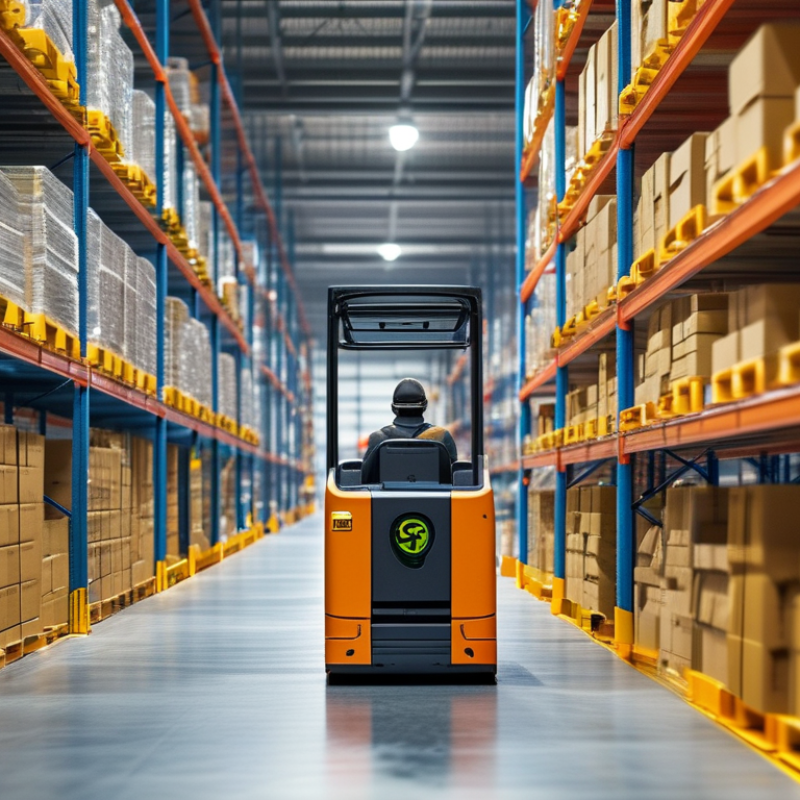
Implementing pedestrian sensors in warehouses can significantly improve safety. These sensors detect the presence of workers and alert vehicle operators when someone is nearby. This reduces the risk of accidents and ensures a safer working environment. With heavy machinery operating around pedestrian areas, the stakes are high. Sensors can help create a proactive approach to safety.
Benefits extend beyond mere accident prevention. They enhance awareness among employees. Workers feel safer knowing there’s technology watching out for them. Moreover, sensors can lead to reduced insurance costs over time. Fewer accidents result in fewer claims. This is a tangible benefit that can improve a warehouse’s bottom line. Companies save money while prioritizing employee safety.
However, sensor systems are not foolproof. Regular maintenance is necessary to ensure they function correctly. Sometimes, sensors may fail or misinterpret a situation, leading to over-reliance. It's crucial to combine technology with training. Employees must understand the importance of safety protocols, even with a sensor system in place. Awareness and human intervention remain vital in creating a truly safe warehouse environment.
Pedestrian sensors are essential in enhancing safety within warehouse environments. There are various types available, each designed to prevent accidents in busy areas where forklifts and workers coexist. For instance, infrared sensors detect movements within specific zones. They can trigger alarms or warnings when pedestrians enter dangerous spaces, enhancing awareness.
Another effective type is the laser scanner. According to a report by the Warehouse Safety Institute, these scanners can reduce accident rates by up to 30%. They create a 3D protective zone that alerts operators when someone enters the area. This technology is increasingly popular because it provides real-time data and is not easily obstructed by environmental factors.
**Tips for Implementation:**
Position sensors at strategic locations to maximize their effectiveness. Ensure regular maintenance to keep systems functioning properly. Employee training on recognizing sensor alerts is crucial. Incorporating these practices will create a safer workspace and promote a culture of safety. Remember, even with advanced technology, human oversight remains vital. Relying solely on sensors can lead to complacency, so active engagement is key.
When considering the installation of pedestrian sensors in warehouses, keep employee safety at the forefront. These sensors can detect movement and improve awareness of surroundings. Proper placement and calibration are essential for effectiveness. Misplaced sensors can lead to false alarms or missed detections. Conduct thorough checks to ensure accuracy before full implementation.
Tips: Assess traffic patterns. Understanding where foot traffic is heaviest helps in positioning the sensors more effectively. Also, consider visibility; sensors should be unobstructed and in well-lit areas. Regular maintenance is crucial to keep sensors functioning optimally. A malfunctioning sensor can create blind spots, endangering workers.
Training staff to recognize sensor alerts can enhance safety. Create a culture of awareness where everyone understands the importance of pedestrian sensors. Encourage employees to report any malfunctions or issues they observe. Remember, an engaged workforce is key to implementing safety measures successfully.
| Consideration | Description | Impact on Safety |
|---|---|---|
| Sensor Placement | Position sensors at strategic locations where pedestrian traffic is high. | Increases awareness of pedestrian presence, reducing accidents. |
| Sensor Type | Choose between infrared, ultrasonic, or video analytics sensors. | Different types have varying effectiveness in different environments. |
| Integration with Equipment | Integrate sensors with forklifts and other machinery. | Helps in automatic detection and response to pedestrian presence. |
| Regular Maintenance | Ensure sensors are regularly checked and maintained. | Maintains functionality and reliability of safety systems. |
| Training | Train employees on how sensors work and the importance of adhering to safety protocols. | Increases compliance and effective use of sensors, reducing risk. |
Integrating pedestrian sensors into warehouse systems requires careful planning and execution. Collaboration between IT teams, safety experts, and warehouse staff is essential. By ensuring that everyone understands the operation of the sensors, the integration process becomes smoother. Clear communication is key in identifying potential safety hazards during the installation.
When selecting pedestrian sensors, prioritize features that improve visibility and responsiveness. For instance, sensors with real-time alerts can enhance worker safety. These systems should seamlessly connect with current warehouse management software. This connection allows for efficient monitoring and quick responses to any safety concerns.
Tips for successful integration include regular training sessions. Encourage warehouse staff to report issues swiftly. Collect feedback after implementation to assess the system’s effectiveness. Implementing pedestrian sensors can significantly enhance safety. However, without a proper integration strategy, the benefits may not be fully realized. Regular updates to the system based on feedback can prevent potential safety gaps as warehouse needs evolve.
Training staff on pedestrian sensors is crucial for enhancing safety in warehouses. These sensors can detect the presence of workers and adjust machinery accordingly. However, employees must be adequately trained to use them effectively. Understanding how the sensors operate can prevent accidents and promote a safer working environment.
Regular training sessions are essential. Staff should learn how to interpret sensor alerts and recognize their importance. This understanding empowers them. Begin with practical demonstrations. Provide real scenarios that show how sensors interact with warehouse operations. This hands-on experience builds confidence. Encourage staff to engage with the technology actively.
Tips for effective training include using visual aids. Diagrams and videos can enhance understanding. Offer quizzes to test knowledge retention. Make it interactive; role-playing scenarios can deepen comprehension. Also, ensure ongoing training. Safety protocols can evolve, and so should staff training. Keeping everyone updated on the latest practices ensures a safer operation. Remember, fostering an open environment for feedback can highlight areas for improvement.
: Pedestrian sensors enhance safety by preventing accidents in busy areas where workers and equipment coexist.
Infrared sensors detect movement within zones and trigger alarms when pedestrians enter dangerous spaces.
Laser scanners create a 3D protective zone, alerting operators when someone enters, reducing accident rates significantly.
Position sensors at key locations and ensure they are regularly maintained for optimal performance.
Training helps employees recognize sensor alerts and promotes a culture of safety in the warehouse.
Collaboration among IT teams, safety experts, and warehouse staff is essential for smoother integration.
Collecting feedback allows for system updates, addressing evolving warehouse safety needs effectively.
Staff should report any issues promptly to ensure quick resolutions and maintain safety levels.
No, relying solely on technology can lead to complacency; active human engagement is crucial.
Features like real-time alerts improve worker awareness and response to potential safety concerns.
In today's fast-paced warehouse environments, the question of "How to improve warehouse safety with pedestrian sensors?" has become increasingly important. Implementing pedestrian sensors can significantly enhance safety by preventing accidents involving workers and machinery. These sensors come in various types, each tailored to specific warehouse needs, ensuring a safer navigational experience for employees.
When considering installation, it’s vital to evaluate the layout and high-traffic areas within the warehouse to select the most effective sensor types. Best practices for integration include ensuring compatibility with existing safety systems, while also providing comprehensive training for staff. This ensures that everyone is well-versed in using the sensors effectively, thereby promoting a safer work environment for all.

Titan Forklift