Electric forklifts are increasingly popular in various industries. With the push for greener practices, many companies are evaluating alternatives to traditional gas-powered models. This brings us to an important question: "What is the environmental impact of electric forklifts?"
Dr. Sarah Lin, a sustainability expert at EcoTech Solutions, emphasizes, “Electric forklifts can significantly reduce emissions when charged using renewable energy.” This statement highlights their potential for minimizing pollutants. Electric forklifts produce zero tailpipe emissions, which improves air quality in warehouses and factories.
However, the environmental benefits depend on electricity sourcing. If the power comes from fossil fuels, the overall impact may be less favorable. Additionally, battery disposal poses a challenge. While electric forklifts are cleaner, it’s essential to examine the entire lifecycle. Overall, understanding the environmental implications is key for informed decision-making.
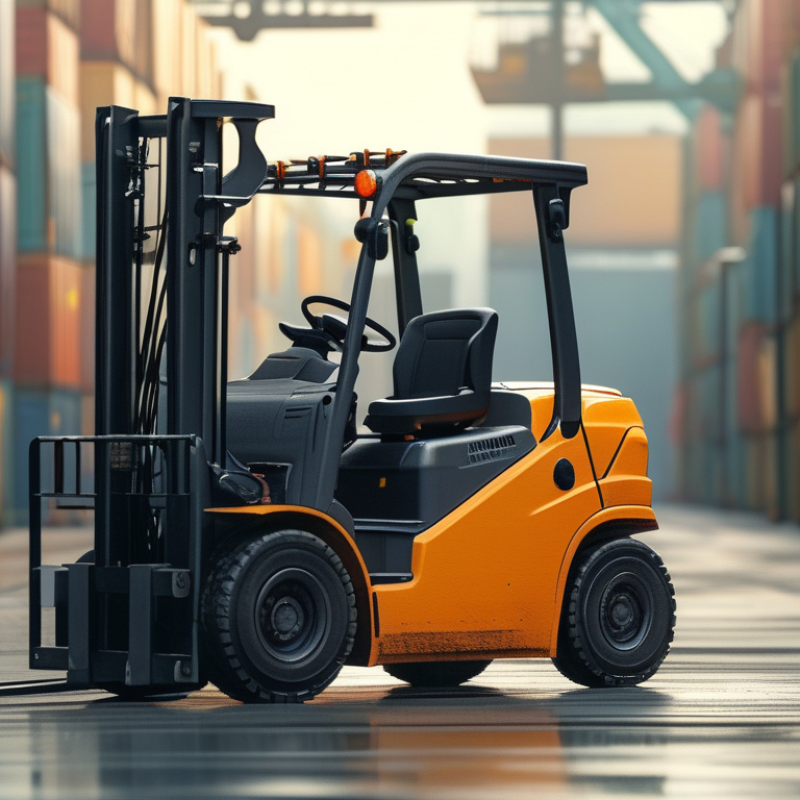
Electric forklifts present significant
environmental benefits compared to diesel alternatives. According to a report from the
U.S. Department of Energy, electric forklifts
can reduce greenhouse gas emissions by
up to 70% when charged with renewable energy. This means
that as industries embrace cleaner energy sources, the overall carbon footprint of material
handling can decrease dramatically.
Moreover, electric forklifts operate quietly, minimizing noise pollution. This is particularly
beneficial in urban settings and inside warehouses. The noise levels of electric forklifts are
approximately 60% lower than diesel models. This reduction
supports healthier working environments, promoting productivity
and employee well-being.
Yet, there are challenges to consider. The production of battery technology can generate
environmental concerns. The sourcing of lithium
and cobalt for batteries can impact local
communities and ecosystems. Additionally, the lifespan of batteries poses a recycling dilemma.
These issues highlight the need for ongoing improvements in battery technology and recycling processes.
Addressing these concerns will better align electric forklift use with sustainability goals.
: Battery production harms ecosystems by destroying habitats and polluting water sources, affecting wildlife and communities.
Improper disposal of batteries can leak hazardous substances into soil and water, disrupting local ecosystems and harming plants.
Companies are exploring sustainable battery materials and disposal methods. However, progress is slow and needs continuous reflection.
Electric forklifts use less energy and convert it more efficiently, leading to lower operational costs compared to internal combustion engines.
The challenges include environmental impacts from battery production and limited charging infrastructure in some areas.
Electric forklifts operate at 60-75 decibels, significantly lower than traditional models, enhancing urban life quality.
Chronic exposure to noise can cause health issues like stress and sleep disorders, which can be reduced by using electric forklifts.
Yes, initial investments are high and battery life can limit operation to 6-8 hours before needing a recharge.
Yes, studies indicate that urban areas could experience a 15% decrease in noise-related complaints with electric models.
Understanding the energy sources used for charging electric forklifts helps gauge their overall environmental benefits and sustainability.
The article titled "What is the environmental impact of using electric forklifts?" explores various environmental benefits associated with the adoption of electric forklifts compared to diesel alternatives. One of the key advantages highlighted is the significant reduction of greenhouse gas emissions in warehouse operations, contributing positively to climate change mitigation efforts. Additionally, the discussion addresses the energy efficiency of electric forklifts in contrast to internal combustion engines, illustrating their superior performance in reducing overall energy consumption.
However, the article also considers the environmental challenges posed by battery production and disposal, emphasizing the need for sustainable practices to minimize their impact on ecosystem health. Furthermore, it highlights the reduction of noise pollution resulting from electric forklifts, which positively affects urban environments by creating quieter, more conducive spaces for both workers and nearby communities. Overall, the piece provides a comprehensive overview of the multifaceted environmental implications of electric forklifts, directly addressing the question: "What is the environmental impact of electric forklifts?

 Titan Forklift