Proper safety measures are crucial in any workplace, especially where heavy machinery is involved. Forklifts play an essential role in various industries, handling loads that could pose significant risks if mishandled. This brings us to an important question: "How often should a forklift undergo safety inspection?" Regular inspections are vital for ensuring the equipment operates safely and efficiently, but the frequency can vary based on regulations and usage.
Frequent inspections are not solely about compliance; they also reflect a commitment to safety. Routine checks can prevent accidents and increase equipment longevity. It's worth noting that some companies may overlook this necessity, underestimating the consequences of skipped inspections. The potential costly repairs or injuries can be staggering.
Understanding the specific needs of your operation is also key. How often a forklift needs inspection may depend on its usage intensity and environmental factors. Regular evaluations are essential to maintain a safe work environment. Ignoring this can lead to unexpected breakdowns and risks. The balance between operational efficiency and safety needs careful consideration.
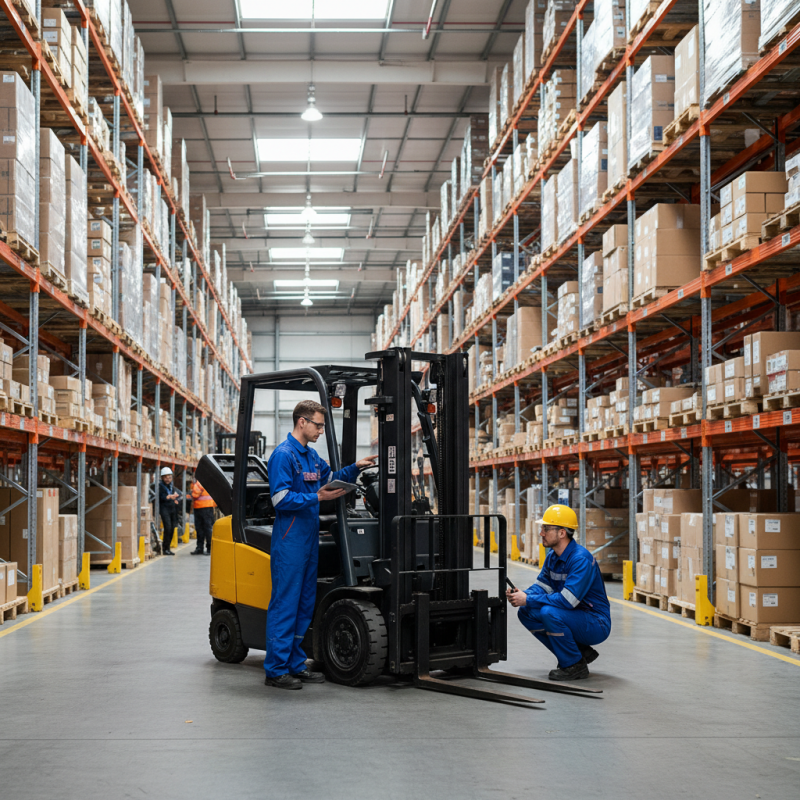
Forklifts play a critical role in warehouse operations. Regular inspections are vital for ensuring safety. According to the Occupational Safety and Health Administration (OSHA), nearly 100 fatalities occur each year due to forklift incidents. These statistics highlight the need for a proactive approach to inspections.
A comprehensive inspection should occur at least once a day. This includes checking for functional issues and possible hazards. A recent report from the National Institute for Occupational Safety and Health (NIOSH) indicates that proper maintenance can reduce accidents by up to 30%. Additionally, a visual inspection can reveal issues that might become serious if left unattended.
Beyond the routine checks, a more thorough inspection should take place monthly. This includes an analysis of hydraulic systems, brakes, and tires. Ignoring these aspects can lead to machinery failure and accidents. Forklift operators must be trained to identify common signals of wear. Investing in training can significantly lower the risk of industrial accidents. Overlooking inspections is not an option; the consequences can be severe.
Forklifts are essential for many industries, but their safety requires strict inspection protocols. How often should these vehicles be inspected? The frequency of inspections largely depends on their usage and operating conditions. High-utilization forklifts that operate daily need more frequent evaluations than those used sporadically. For instance, if a forklift operates for more than eight hours daily, weekly inspections are crucial. Conversely, those that operate a few hours per week might only need inspections once a month.
In addition, environmental factors play a role. Forklifts in harsh environments, such as wet or dusty areas, may require additional checks. Regular inspections can uncover wear and tear before it leads to accidents. Operators need guidance on how to document these inspections effectively. A systematic record helps in maintaining safety standards and adhering to guidelines. However, many companies overlook this record-keeping aspect. This oversight can create gaps in safety protocols and increase risks. Examining these factors consistently can ensure safer operations and promote a culture of safety in the workplace.
Regular safety inspections of forklifts are critical. These inspections help identify potential issues before they cause accidents. Operators should perform daily checks before use. This includes examining the tires, brakes, and lights for functionality.
During a thorough inspection, focus on crucial components. Inspect the mast for wear and ensure it functions smoothly. Check fluid levels, including oil and hydraulic fluid. Faulty fluid levels can lead to performance issues. Ensure all safety devices, such as seatbelts and alarms, work properly.
In addition, review the overall condition of the forklift. Look for signs of rust or damage. Ensure that the load capacity plate is visible and legible. Regular attention to these details may prevent costly accidents. Even with routine checks, unexpected issues can arise. It's essential to encourage workers to report any irregularities immediately.
Forklift safety inspections are crucial for maintaining a safe work environment. Regulatory standards dictate inspection frequency. Generally, OSHA mandates that forklifts undergo inspections before each shift and regularly throughout the year. Regular inspections can identify potential issues, ensuring equipment operates smoothly.
Training personnel on inspection protocols is vital. Knowledgeable operators can spot problems early. However, there's often inconsistency in adherence to these standards. Some workplaces may overlook required documentation or fail to complete checks adequately. This can have severe consequences, leading to accidents that could have been avoided.
Safety inspections should cover all essential components. This includes brakes, lights, and steering mechanisms. While regulations provide a framework, individual businesses must assess their unique needs. Striving for compliance is essential, yet it’s critical to foster a culture of safety that transcends mere legal obligations.
Forklift inspections are critical for maintaining safety in warehouses and construction sites. The Occupational Safety and Health Administration (OSHA) recommends that forklifts be inspected before each use. This practice helps identify any potential issues that could lead to accidents. However, many organizations overlook the importance of thorough documentation.
Accurate documentation allows businesses to track maintenance trends and spot recurring problems. According to a report by the National Safety Council, companies that maintain proper records reduce accident rates by up to 30%. Using digital tools for logging inspection results can streamline this process significantly. It creates an accessible history of each forklift's performance and compliance status.
Tips: Ensure every inspection log includes date, time, and the inspector’s name. This detail establishes accountability and enhances transparency. Regular training for staff on inspection protocols is equally essential. Educating employees fosters a culture of safety, but not all organizations prioritize this aspect.
Reflecting on inspection practices, many companies assume that once a month is sufficient. However, the industry standard often varies based on usage. Sites with high daily forklift activity may need daily checks. Regular reviews of inspection results can uncover gaps in safety and maintenance habits. Over time, these insights can lead to improved operational standards and a safer work environment.
| Inspection Frequency | Inspection Type | Common Findings | Recommended Actions | Documentation |
|---|---|---|---|---|
| Daily | Pre-Operational Check | Fluid leaks, tire condition | Address leaks, replace tires | Daily log maintained |
| Monthly | Operational Inspection | Brake performance, horn functionality | Service brakes, repair horn | Monthly inspection report |
| Annually | Comprehensive Inspection | Overall structural integrity | Perform welding if needed, replace damaged parts | Annual summary report |
: Regular inspections identify potential issues and prevent accidents before they happen.
Operators should inspect tires, brakes, lights, and fluid levels for functionality.
Forklifts generally need inspections before each shift and regularly throughout the year.
Key components include the mast, fluid levels, safety devices, and overall condition.
Inconsistency can lead to overlooked issues, resulting in accidents that could have been avoided.
Some workplaces may neglect proper documentation or fail to complete required checks.
Knowledgeable operators can spot early signs of potential problems, enhancing safety.
Immediate reporting of irregularities helps prevent unexpected issues from causing accidents.
Signs of rust, physical damage, or unclear load capacity plates signal the need for checks.
Cultivating a culture of safety that values thorough inspections is critical for maintaining safety.
Regular inspections of forklifts are critical for maintaining workplace safety and preventing accidents. The frequency of these inspections can vary based on the usage of the forklift; typically, more frequent inspections are required for machines that are used heavily or in challenging environments. Key safety checks during inspections include evaluating the condition of brakes, tires, lights, and other essential components to ensure optimal performance.
Regulatory standards set specific requirements that must be adhered to, emphasizing the importance of compliance in safety inspections. Organizations should also adopt best practices for documenting inspection results to track performance and identify recurring issues. In summary, understanding "how often should a forklift undergo safety inspection?" is essential for fostering a safe working environment and ensuring operational efficiency. Regular assessments not only comply with legal mandates but also protect workers and reduce the risk of accidents.

Titan Forklift