How Does a Hydraulic System Work in a Forklift Explained

Time:2026-07-15 Author:Amelia
0%

Understanding "How does a hydraulic system work in a forklift?" is essential in the material handling industry. Hydraulic systems are vital for lifting heavy loads efficiently and safely. According to the Material Handling Industry of America (MHIA), nearly 1.2 million forklifts operate in North America alone. This highlights their significance in warehouses and distribution centers.

Hydraulic systems use fluid mechanics to generate lifting power. They enable operators to move and stack materials with precision. When force is applied to the hydraulic fluid, it travels through the system, causing the lift to rise. Reports by the International Federation of Robotics show that effective hydraulic systems reduce operator fatigue and increase productivity by up to 20%. However, understanding these systems is not always straightforward.

Many workers encounter issues due to a lack of training or maintenance. Miscommunication about hydraulic operation can lead to accidents or equipment failure. While we rely heavily on these systems, they also require careful attention. Being aware of potential pitfalls ensures better operation and safety. In the end, comprehending the intricate workings of hydraulic systems is critical for anyone involved in forklift operations.
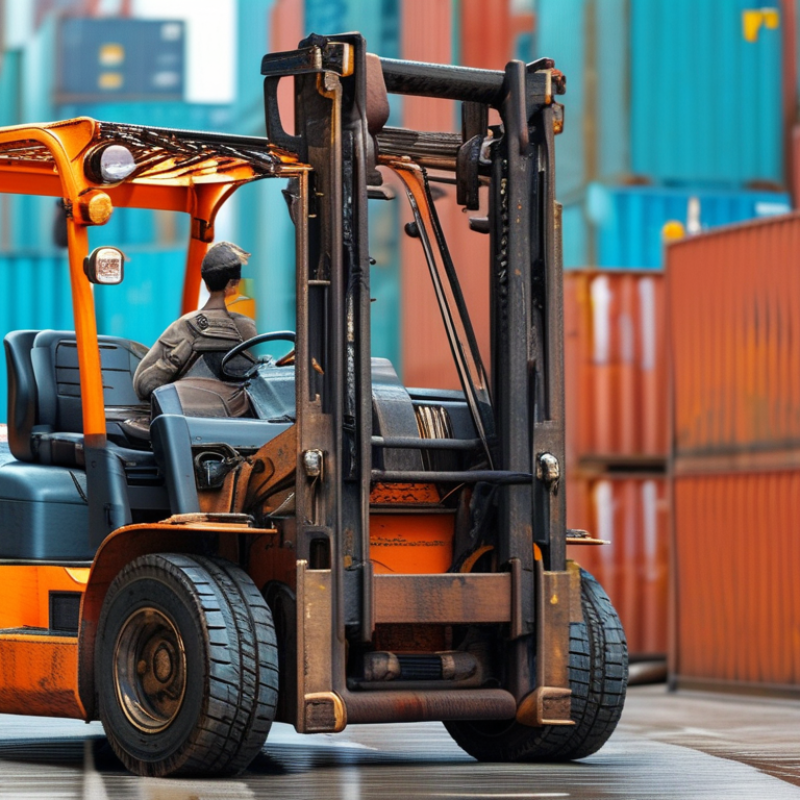
How Does a Hydraulic System Work in a Forklift Explained

What is a Hydraulic System and Its Basic Principles in Forklifts

Hydraulic systems play a crucial role in the operation of forklifts. They utilize the principles of fluid mechanics to lift and move heavy loads efficiently. At the heart of this system is hydraulic fluid, which transfers power through tubing and components. When the operator activates the controls, the hydraulic pump pushes the fluid through the system, activating cylinders that lift the forklift's forks.

Understanding the basic principles is essential. Hydraulic systems rely on incompressible fluids and Pascal's principle, which states that pressure applied to a confined fluid is transmitted undiminished in all directions. This allows small forces to create significant lifting power. However, these systems require maintenance and monitoring. Fluid leaks or air trapped in the lines can lead to inefficient operation or system failure.

Knowledge of hydraulic systems is not just technical; it requires practical experience. Operators must be trained to identify potential issues. Regular checks on fluid levels and cylinder integrity can prevent costly breakdowns. Forklifts are indispensable in many industries, yet they demand respect for safety and operational standards.

Components of a Forklift Hydraulic System: A Comprehensive Breakdown

The hydraulic system in a forklift is essential for its operation, relying on several key components. The hydraulic pump generates the necessary pressure by pushing fluid from the reservoir. Typically, these pumps can reach pressures of 2500 to 3000 psi, providing the force needed for lifting heavy loads. However, maintaining hydraulic fluid levels is crucial; neglect can result in system failure and unsafe operations.

Next, hydraulic cylinders convert hydraulic pressure into mechanical force. A forklift may use multiple cylinders, especially for lifting mechanisms. Each cylinder's design impacts lifting capacity and speed. Data suggests that a standard forklift with a 5000 lb capacity requires a cylinder with a bore size of approximately 2.5 inches. This relationship between cylinder size and load capacity is vital for effective design.

Hydraulic hoses transport fluid under high pressure, connecting the pump and cylinders. These hoses must withstand extreme conditions and wear over time. Regular inspections are necessary, as damaged hoses can lead to leaks or system malfunctions. Attention to details like hose condition can enhance overall system reliability. Yet, operators often underestimate this aspect, focusing instead on other maintenance areas. Enhancing awareness of hydraulic systems could improve safety and efficiency in forklift operations.

How Does a Hydraulic System Work in a Forklift Explained - Components of a Forklift Hydraulic System: A Comprehensive Breakdown

Component Function Typical Specifications Maintenance Tips
Hydraulic Pump Generates hydraulic pressure Flow rate: 5-20 L/min, Pressure: 150-300 bar Check fluid levels regularly
Hydraulic Cylinder Converts hydraulic energy to mechanical energy Bore size: 50-100 mm, Stroke: 100-900 mm Inspect for leaks and seals integrity
Hydraulic Fluid Transmits power and lubricates components Viscosity: ISO 46-68 Change fluid every 2000 hours of operation
Control Valve Directs hydraulic fluid flow Flow control: adjustable Regularly test and adjust for optimal performance
Hydraulic Hose Transports hydraulic fluid Pressure rating: 300 bar, Length: variable Inspect regularly for wear and replace as needed

How Hydraulic Pressure is Generated and Maintained in Forklifts

Hydraulic systems in forklifts use fluid to create power. Pressure is generated when hydraulic fluid is forced into a cylinder. The movement of this fluid pushes a piston, lifting the load. Forklifts rely on this principle for effective lifting and lowering. Each part of the system must function correctly for safety and efficiency.

Maintaining hydraulic pressure is vital. It involves regular checks on fluid levels and leaks. Proper maintenance prevents unexpected failures. A lack of pressure can lead to slow movements or even accidents. Keep an eye on seals, hoses, and connections, as worn-out components can compromise hydraulic performance.

Tips for forklift operators include ensuring proper fluid levels and using the right type of hydraulic oil. Be aware of any unusual noises or movements. Training is key for safe operations. Proper understanding of hydraulic systems enhances overall performance, leading to safer lifting practices.

The Role of Hydraulic Fluid: Types and Properties in Forklift Systems

In a forklift hydraulic system, the hydraulic fluid plays a crucial role. This fluid transmits force and ensures smooth operation during lifting and lowering. Typically, hydraulic fluids are mineral-based or synthetic. Each type has distinct properties that affect performance. For instance, mineral oils provide good lubrication and corrosion protection, while synthetic fluids often offer better temperature stability and less flammability.

According to industry reports, nearly 75% of hydraulic system failures stem from fluid contamination. Contaminated fluid compromises efficiency and can lead to costly repairs. Regular maintenance of hydraulic fluid is essential. Checking for the right viscosity and ensuring the fluid is clean can help maintain efficiency. However, many operators overlook these simple checks, leading to significant downtime.

The choice of hydraulic fluid also influences overall system performance. Fluids with superior additives enhance pump life and reduce wear. A study noted that using high-quality fluids can improve system life by 25%. While these advantages are clear, many systems still operate with inadequate fluids. This reflects a gap in awareness that could be bridged through better training and education in the industry.

Common Hydraulic Issues in Forklifts and Their Solutions

Hydraulic systems are crucial in forklifts, but they can face common issues. Understanding these problems can help operators maintain efficiency. One prevalent issue is hydraulic fluid leaks. This can lead to a drop in lifting ability. Regularly inspect hoses and connections for wear. A small leak can escalate quickly, so addressing it promptly is vital.

Another common problem is air trapped in the hydraulic lines. This can result in sluggish movement or unresponsive controls. Bleeding the system to remove air is essential. Ensure that operators know how to perform this maintenance. It is surprisingly simple but often overlooked.

Tips: Always monitor hydraulic fluid levels. Use recommended fluids for optimal performance. Keep a log of maintenance activities. This keeps the system healthy. If issues persist, consult a professional. Regular checks can prevent major failures, saving time and money. Stay proactive with hydraulic system care.

Hydraulic System Issues in Forklifts

This bar chart represents common hydraulic issues found in forklifts and their occurrence rate. Understanding these issues can help in troubleshooting and maintenance.

FAQS

: What is a hydraulic system?

: A hydraulic system uses fluid mechanics to lift and move heavy loads in forklifts efficiently.

How does hydraulic fluid function?

Hydraulic fluid transmits force and ensures smooth operation during lifting and lowering activities.

What are the common types of hydraulic fluid?

Typically, hydraulic fluids are mineral-based or synthetic, each with unique properties that affect performance.

Why is regular maintenance of hydraulic fluid important?

Regular checks ensure clean fluid and the correct viscosity, preventing costly repairs and downtime.

What is Pascal's principle?

Pascal's principle states that pressure applied to a confined fluid is transmitted undiminished in all directions.

How can operator training impact hydraulic system performance?

Trained operators can identify issues and perform regular checks, enhancing operational efficiency and safety.

What can cause hydraulic system failures?

Nearly 75% of failures result from fluid contamination, affecting efficiency and increasing repair costs.

Why do some systems use inadequate hydraulic fluids?

Many operators lack awareness about the importance of high-quality fluids, leading to reduced system performance.

What is a common oversight by forklift operators?

Many overlook simple fluid checks, which can result in significant downtime and operational inefficiencies.

How do fluid additives play a role in hydraulic systems?

Superior additives can enhance pump life, reduce wear, and significantly improve overall system life.

Conclusion

In understanding "How does a hydraulic system work in a forklift?", it's essential to first grasp the basic principles of hydraulic systems, which rely on fluid power to lift and move heavy loads. A forklift's hydraulic system comprises several key components, including pumps, cylinders, and valves, all working in harmony to achieve efficient lifting operations. The generation and maintenance of hydraulic pressure are crucial for optimal performance, as this pressure allows the forklift to operate effectively under load.

The hydraulic fluid plays a vital role in this system, where its types and properties influence the system's efficiency and responsiveness. However, like any mechanical system, forklifts can encounter common hydraulic issues such as leaks or pressure loss. Identifying these problems and implementing appropriate solutions is essential for maintaining the forklift's operational capability and ensuring safety in its use. Understanding these elements provides a clear insight into the question of "How does a hydraulic system work in a forklift?" and highlights the importance of regular maintenance and proper fluid management.

Amelia

Amelia

Amelia is a seasoned marketing professional with a wealth of expertise in our company’s core offerings. With an unwavering passion for driving growth and innovation, she plays a pivotal role in shaping our marketing strategies and enhancing brand visibility. A key aspect of her responsibilities......