Why Proper Forklift Maintenance is Essential in Cold Storage?

Time:2026-08-29 Author:Charlotte
0%

Proper forklift maintenance is crucial in cold storage facilities. Forklifts operate under challenging conditions where temperatures can be below freezing. This can put extra strain on the machinery. As noted by industry expert, John Smith, "Regular checks and proper care extend the lifespan of forklifts in cold environments." Understanding how to maintain a forklift in cold storage environments is essential for safety and efficiency.

Regular maintenance prevents breakdowns that can lead to costly disruptions. It ensures that tires, batteries, and hydraulics function effectively despite the cold. For instance, lubricating joints can prevent damage from freezing. It's also important to monitor battery performance closely. Cold temperatures can reduce battery efficiency, which may lead to unexpected issues.

Neglecting proper maintenance can result in accidents, or worse, injuries. Forklift operators must be aware of their equipment's needs and limitations. Training programs can help workers understand the unique challenges of cold storage. Everyone needs to take responsibility for safety and efficiency. This can help in creating a reliable system that works effectively within the cold environment.
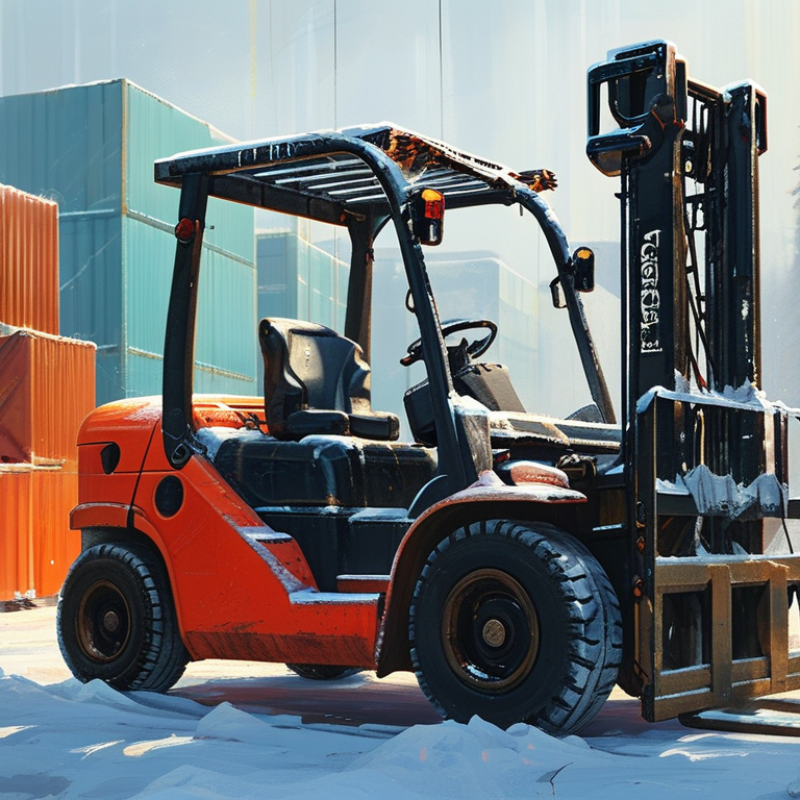
Why Proper Forklift Maintenance is Essential in Cold Storage?

The Importance of Forklift Maintenance in Cold Storage Operations

In cold storage operations, maintaining forklifts is crucial for efficiency. These vehicles face unique challenges due to low temperatures. Proper maintenance ensures they function optimally, reducing the risk of breakdowns. Regular inspections can uncover potential issues before they escalate. Cold environments can affect battery life and fluid viscosity, making it essential to use products designed for low temperatures.

Make sure to check tire pressure regularly. Cold weather can cause tires to lose air pressure, impacting safety. Another focus should be on the hydraulic system. Cold temperatures can thicken hydraulic fluid, increasing strain on the components. Regularly changing the fluid according to operational guidelines can prevent failures.

It’s important to train operators on cold weather procedures. They should understand how the cold affects equipment performance. Each forklift requires specific handling techniques in these conditions. Operators should be encouraged to report any anomalies immediately. This creates an environment of safety and reliability. Regular maintenance and proper training can lead to smoother operations in cold storage facilities.

Forklift Maintenance Frequency in Cold Storage Operations

This bar chart illustrates the frequency of different maintenance tasks performed on forklifts in cold storage environments over a six-month period. Regular maintenance is crucial to ensure operational efficiency and safety in low-temperature settings.

Impact of Cold Temperatures on Forklift Performance and Reliability

Cold storage environments present unique challenges for forklift operation. The cold temperature can severely impact a forklift's performance and reliability. Batteries struggle to hold charge in frigid conditions. Operators often find their forklifts underperforming, leading to increased downtime. Workers may feel frustrated when machines malfunction during critical tasks.

Regular maintenance is essential to combat these cold weather effects. Checking battery health, inspecting hydraulic fluids, and maintaining tires can make a difference. Fluids may thicken in cold conditions, reducing efficiency. Proactive maintenance helps ensure that forklifts operate smoothly when they are needed most. Operators should also inspect cold storage racks for any potential hazards.

Operators should pay attention to how forklifts respond in low temperatures. They might notice slow acceleration or reduced lifting capacity. These issues can lead to safety risks and operational delays. Reflecting on these performance challenges can help improve overall forklift management. Investing time in maintenance practices fosters reliability and enhances productivity in cold storage facilities.

Statistical Data on Equipment Failures in Cold Storage Environments

Cold storage environments present unique challenges for forklift operations. Data shows that equipment failures are significantly higher in these settings. In fact, studies indicate that temperature fluctuations can weaken forklift components, leading to breakdowns. A staggering 30% of cold storage equipment failures are linked to inadequate maintenance practices.

Proper maintenance is key to preventing these issues. Regular inspections help identify potential problems before they escalate. It’s important to check battery performance, tire conditions, and hydraulic systems. Even minor malfunctions can result in extensive downtime and costly repairs. Keeping track of service schedules can mitigate risks effectively.

Employing best practices in forklift maintenance enhances reliability. Operators should familiarize themselves with operational limits, specifically in cold conditions. These environments can result in reduced visibility and slow response times. Recognizing these factors can improve safety. Analyzing historical failure data can reveal patterns, guiding operators in making informed decisions about maintenance. This proactive approach not only ensures safer operations but also optimizes equipment lifespan, reflecting on overall efficiency.

Best Practices for Regular Forklift Inspections and Servicing

Cold storage environments present unique challenges for forklift operation. Regular inspections and maintenance are vital to ensure equipment reliability. Start by checking the battery condition. Cold temperatures can affect battery performance. Ensure that terminals are clean and connections are secure. Monitor fluid levels, especially in harsh conditions. Refrigeration can cause condensation, leading to potential leaks.

Document your inspection schedule. This step ensures accountability and helps identify patterns. Track issues over time. Are there recurring problems with certain parts? Addressing them proactively can prevent larger failures. Inspect tires regularly. In cold environments, tires can lose traction. If they are worn down, consider replacement to maintain safety.

Don’t overlook cleanliness. Debris can affect forklift operation. Ensure that all components are free from ice and dirt. Regularly wash forklifts to prevent build-up. Reflect on the effectiveness of your maintenance routine. Do you have a reliable checklist? Is every team member trained on important practices? Regular reviews can improve outcomes significantly.

Why Proper Forklift Maintenance is Essential in Cold Storage?

Maintenance Task Frequency Best Practices Impact on Cold Storage
Visual Inspection Daily Check for leaks, damage, and cleanliness Prevents issues that could affect product safety
Battery Maintenance Weekly Clean terminals, check fluid levels Ensures reliable operation during cold temperatures
Tire Inspection Monthly Check for wear and tire pressure Improves stability and safety on icy floors
Fluid Checks Monthly Inspect hydraulic and engine oil levels Prevents breakdowns and ensures efficiency
Full Service Annually Comprehensive checkup of all systems Ensures prolonged lifespan and optimal performance

Cost Implications of Neglecting Forklift Maintenance in Cold Storage Facilities

In cold storage facilities, forklifts play a crucial role. Neglecting their maintenance can lead to significant costs. Equipment failures can disrupt operations and delay shipments. Cold environments strain motors and batteries. A stalled forklift means more than repair costs; it can impact inventory management.

Regular maintenance prevents unexpected breakdowns. Parts could wear out faster in freezing temperatures. This leads to more frequent repairs and replacements. Imagine waiting on a critical delivery while a forklift is down. The financial repercussions can be severe. Labor costs rise, customer trust declines, and the loss in productivity adds up.

Additionally, improper maintenance can decrease safety standards. Workers are at risk if forklifts malfunction. Safety incidents can result in costly lawsuits and insurance hikes. It's essential to prioritize forklift upkeep. Investing in maintenance pays off in the long run. The costs of neglecting this task will ultimately outweigh the expenses of regular servicing.

FAQS

: Why are regular inspections important for forklifts in cold storage?

: They ensure equipment reliability and prevent unexpected breakdowns.

How do cold temperatures affect forklift batteries?

They can impair performance, making it crucial to check battery condition often.

What should be monitored besides battery health?

Fluid levels should be checked, as condensation may cause potential leaks.

How can recurring issues with forklifts be identified?

Documenting inspections helps track patterns and identify frequent problems.

Why is tire maintenance essential in cold storage?

Cold environments can reduce traction, making worn tires a safety risk.

How can debris affect forklift operation?

Ice and dirt can hinder performance, making regular cleanliness checks essential.

What risks come from neglecting forklift maintenance?

Delayed shipments and increased labor costs can occur due to equipment failures.

What are the safety implications of poor maintenance?

Malfunctioning forklifts pose risks to workers and can lead to costly lawsuits.

Is it beneficial to have a maintenance checklist?

Yes, a reliable checklist helps ensure all points are addressed during inspections.

How can maintenance affect customer trust?

Frequent breakdowns impact service delivery, which can erode customer confidence.

Conclusion

Proper forklift maintenance is crucial in cold storage operations due to the unique challenges posed by low temperatures. Cold environments can significantly impact forklift performance and reliability, leading to increased wear and tear on equipment. Statistics indicate a higher rate of equipment failures in such settings, underscoring the necessity for routine inspections and servicing.

To ensure optimal functionality, it is essential to understand how to maintain a forklift in cold storage environments. Best practices include regular checks on battery health, ensuring proper fluid levels, and inspecting tires and brakes. Neglecting these maintenance routines can lead to costly repairs and operational downtime, emphasizing the importance of diligent upkeep in preserving efficiency and safety in cold storage facilities.

Charlotte

Charlotte

Charlotte is a seasoned marketing professional with a deep understanding of the company's portfolio and a passion for elevating its presence in the market. With a keen eye for detail and a commitment to excellence, she ensures that our professional blog is regularly updated with insightful articles......