What is the difference between a reach truck and a forklift? The answer begins with the warehouse aisle, not the machine’s name. A conventional counterbalance forklift carries its load beyond the front axle. Its rear counterweight balances pallets, trucks, and uneven outdoor surfaces. A reach truck uses extending forks or a moving mast. It can place loads deeper into high racking, often within narrower aisles.
The distinction matters financially and operationally. The U.S. Occupational Safety and Health Administration reports approximately 85 powered-industrial-truck fatalities and 35,000 serious injuries annually. The figures cover more than reach trucks, but they expose the cost of choosing equipment casually. MHI’s 2024 Industry Report also identifies labor shortages and warehouse-space pressure as continuing material-handling challenges. Higher storage density sounds attractive. It is not automatically safer.
Material-handling consultant Michael R. Baillie offers a practical warning: “The right truck is determined by the application, not by the brochure.” That principle deserves careful thought. A reach truck may suit a smooth indoor floor, tall selective racks, and limited aisle width. A counterbalance forklift may perform better at dock doors, rough yards, and frequent trailer loading. Tire type, lift height, load center, visibility, battery charging, and operator training can change the decision.
The boundary is not always clean. Some facilities need both types. A reach truck may save aisle space, yet lose flexibility outside the rack area. A forklift may feel familiar, yet waste valuable cube. OSHA guidance, manufacturer specifications, and site-level risk assessments should guide the final choice. Experience still matters. Measure the aisle. Watch the turning radius. Then question the first answer.
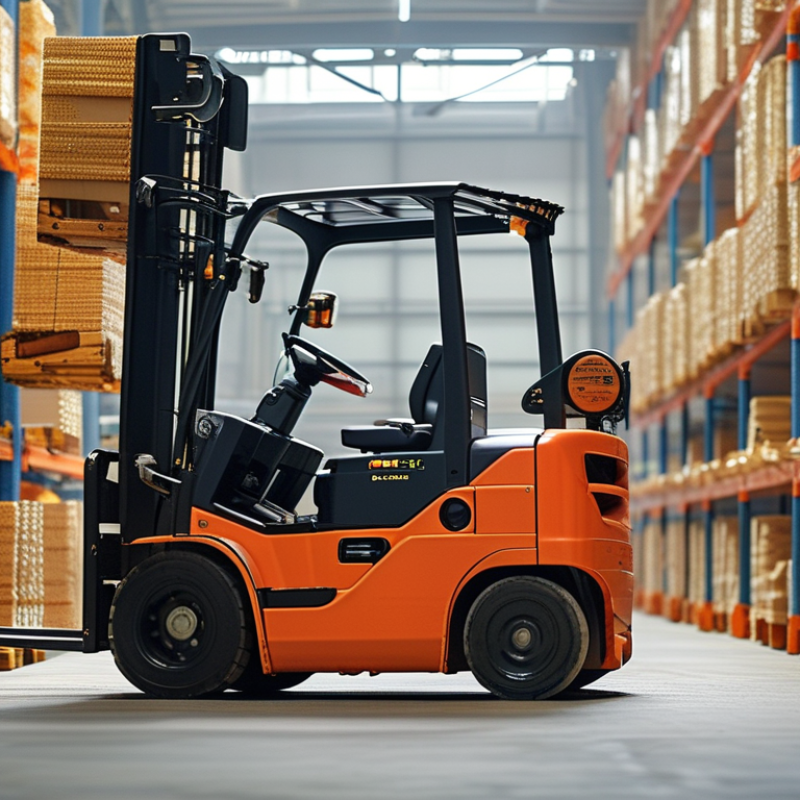
A reach truck is a warehouse lift vehicle designed for narrow aisles and high storage racks. Unlike a counterbalance forklift, it uses a moving mast or fork carriage to reach into pallet positions. Its outrigger legs support the load, while the battery-powered design suits indoor operations. Many models lift loads above 30 feet, but capacity usually decreases as lift height increases.
OSHA reports that powered industrial trucks cause about 85 worker fatalities and 34,900 serious injuries annually in the United States. These figures show why reach-truck selection requires more than checking maximum lift height. Operators must consider pallet weight, rack depth, aisle width, floor condition, and visibility. A reach truck may fit a tight aisle, yet poor load placement can still create instability. The distinction is not always clean.
Tips: Measure the narrowest aisle with the actual pallet installed. Check the load chart at the required height. Train operators to keep forks low during travel. Inspect mast movement, tires, brakes, and battery condition before each shift. OSHA’s Powered Industrial Trucks guidance also emphasizes formal training, workplace evaluation, and operator performance checks. In practice, rushed planning remains a weak point. A few extra minutes of measurement can prevent an expensive mistake.
A forklift is a powered industrial vehicle designed to lift, carry, and place materials. It uses two metal forks that slide beneath a pallet or load. A hydraulic system raises the forks, while the operator controls movement from a seated or standing position. Common forklift types include counterbalance, pallet, rough-terrain, and reach trucks.
The counterbalance forklift is widely used in warehouses, workshops, and loading areas. Its rear weight offsets the load carried at the front. A reach truck is a more specialized forklift, built for narrow aisles and higher storage racks. It can extend its forks forward, which improves access but requires careful control. The term “forklift” is broad, so comparing every forklift with a reach truck can create confusion. In practice, the right choice depends on load weight, aisle width, floor condition, lift height, and operator training.
Tips: Check the load rating before lifting. Keep the load low while traveling. Move slowly around corners and blind areas. Inspect forks, tires, brakes, alarms, and hydraulic lines before each shift. Training should include load balance and pedestrian awareness. Small oversights matter. A pallet may look stable but still shift when raised. Operators should also consider visibility; tall or uneven loads can hide people and obstacles. A written inspection record improves reliability, although it may not reveal every mechanical problem. Regular maintenance and practical workplace experience are still necessary.
A reach truck is designed for narrow warehouse aisles and higher storage racks. A typical reach truck can lift loads to approximately 10 meters, but its capacity is commonly around 2,000 kilograms. A conventional counterbalance forklift generally handles heavier loads, often around 3,000 kilograms, with a typical lift height of approximately 6 meters.
These figures are representative operating values rather than limits for every machine. Actual performance depends on the truck configuration, mast design, load center, battery or engine type, and workplace conditions.
A reach truck is a warehouse-focused type of forklift, but its working design is different. Its mast can extend forward, placing pallets into deep racks without moving the entire truck as far. The operator usually works in narrow aisles, often on smooth concrete floors.
A counterbalance forklift carries its load beyond the front axle and uses a rear counterweight for stability. It needs more turning space, but it handles varied tasks better.
The difference becomes clear at the rack face. A reach truck can position a pallet at greater height while keeping its body relatively close to the aisle. Its small turning radius saves valuable storage space. A counterbalance forklift is more practical for loading trailers, moving bulky materials, and operating outdoors. However, reach trucks are not automatically safer or more productive. Poor visibility, uneven floors, or incorrect load placement can quickly reduce their advantages.
OSHA estimates that powered industrial trucks cause about 85 fatal accidents and 34,900 serious injuries annually in the United States. That figure covers forklifts broadly, not reach trucks alone. OSHA Standard 1910.178 also requires operator training and evaluation. In practice, aisle width, rack height, floor condition, load size, and travel distance should guide equipment selection. The boundary is not perfectly neat. A warehouse may need both types, even when one machine appears cheaper initially.
A reach truck suits indoor warehouses with narrow aisles and tall storage racks. Its extending mast places pallets deep inside selective racking. The smaller turning radius protects valuable floor space. It works best on smooth, level surfaces. Think of a 3-meter aisle, a 10-meter rack, and steady pallet movement. Reach trucks usually support high-density storage, but they are less suitable for rough yards or uneven loading areas.
A counterbalance forklift handles broader tasks. It can move pallets from delivery vehicles, production lines, staging zones, and outdoor yards. Its counterweight balances loads without front support legs. That design gives it useful flexibility around docks and mixed traffic. However, it needs more clearance when turning. Gas, diesel, or electric configurations also change its practical working environment.
The neat rule is useful, but incomplete. OSHA reports about 85 annual forklift-related fatalities and 34,900 serious injuries in the United States. Vehicle choice, operator training, load visibility, and aisle discipline all matter. A reach truck may improve storage density, yet poor rack layout can erase that benefit. A forklift may seem more versatile, but repeated tight turns increase collision exposure. MHI’s 2024 Annual Industry Report also highlights labor pressure and technology investment as major warehouse concerns. Managers should measure aisle width, rack height, load weight, travel distance, and floor condition before choosing. Sometimes, the best answer is a mixed fleet. Not the cheapest one.
What Is the Difference Between a Reach Truck and a Forklift?
Choosing between a reach truck and a forklift starts with your warehouse, not the machine’s appearance. A counterbalance forklift suits loading docks, outdoor yards, uneven surfaces, and general material handling. Its front counterweight supports heavier loads without stabilizing legs. A reach truck is designed for narrow indoor aisles and tall storage racks. Its mast extends forward, helping operators place pallets at greater heights with less aisle space.
Measure your working conditions carefully. Check aisle width, rack height, pallet weight, floor quality, turning space, and daily operating hours. A reach truck may increase storage capacity, but it usually needs smooth floors and controlled indoor traffic. A forklift offers broader flexibility, yet it can waste valuable space in a compact warehouse. Load charts matter. Even a small error in load center measurements can affect stability. Do not rely on appearance alone.
Tips: Mark the narrowest aisle with floor tape and test the turning path. Compare the machine’s rated capacity at your actual lift height. Ask operators about visibility and controls; their feedback often reveals practical problems. Review charging, fueling, maintenance, and training needs before purchasing. Rental trials can expose weaknesses. This step may feel slow, but it prevents expensive assumptions. Recheck your decision after seasonal workload changes. Warehouses evolve, and the best choice today may not fit next year.
: A reach truck is a battery-powered warehouse vehicle for narrow aisles and tall storage racks. Its moving mast or fork carriage reaches into pallet positions. Outrigger legs support the load. It is mainly designed for indoor work.
A counterbalance forklift uses rear weight to balance a front load. A reach truck extends its forks into racks and works in tighter aisles. The difference is not always clean. Some workplaces use both types.
Many reach trucks lift loads above 30 feet. However, lifting capacity usually decreases at greater heights. Always check the load chart at the required height. Maximum height alone can mislead.
Measure the narrowest aisle with the actual pallet installed. Check pallet weight, rack depth, floor condition, and visibility. Confirm the truck’s capacity at the intended lift height. A tight fit may still be unsafe.
Poor load placement can shift the center of gravity. A tall or uneven pallet may hide obstacles and people. Raising it can expose weaknesses. Small oversights matter.
Inspect the mast, forks, tires, brakes, alarms, hydraulic lines, and battery. Look for damage, leaks, unusual movement, or weak braking. Record findings when possible. A checklist helps, but it is not magic.
Keep the forks and load low during travel. Move slowly near corners, blind areas, and pedestrians. Keep the load stable and visibility as clear as possible. Rushing creates avoidable risk.
Operators need formal instruction, workplace evaluation, and performance checks. Training should cover load balance, aisle movement, pedestrian awareness, and equipment inspection. Practical experience still matters. Training alone cannot fix poor planning.
What is the difference between a reach truck and a forklift? A reach truck is designed primarily for indoor warehouse work, especially in narrow aisles and areas with tall storage racks. Its extending mast allows operators to place or retrieve loads at greater heights while maintaining good maneuverability. A standard forklift, by contrast, is a more versatile material-handling vehicle commonly used for moving, lifting, and loading goods across warehouses, yards, and loading areas. It generally offers greater stability for heavier or bulkier loads but may require more operating space.
The best choice depends on the workplace and task. Reach trucks are well suited to high-density storage, precise rack access, and smooth warehouse floors. Forklifts are better for transporting heavy materials, handling pallets over varied surfaces, and completing outdoor or loading activities. When choosing between them, consider aisle width, lifting height, load size, floor conditions, operating environment, and the frequency of each task. Selecting the right vehicle can improve workflow, storage efficiency, and workplace safety.
Titan Forklift