When should I replace my forklift tires? This question is crucial for maintaining safety and efficiency in any warehouse or manufacturing setting. According to John Anderson, a leading expert at the Forklift Safety Institute, “Proper tire maintenance can significantly enhance lift performance.” Tires bear the heavy load and constant friction, which can lead to wear and tear over time.
Observing tire condition is essential. A worn tread impacts traction, which can lead to accidents. Visual inspections are key. Look for cracks, bulges, or uneven wear. If the depth of the tread is less than the manufacturer's recommendation, it may be time for a replacement.
Ignoring these signs can result in unsafe conditions and higher operational costs. Forklift tires should be replaced based on wear patterns and load types. However, many operators often overlook this critical aspect. Understanding the signs helps in making informed decisions for peak performance and safety. Remember, timely tire replacement is an investment in your fleet's reliability.
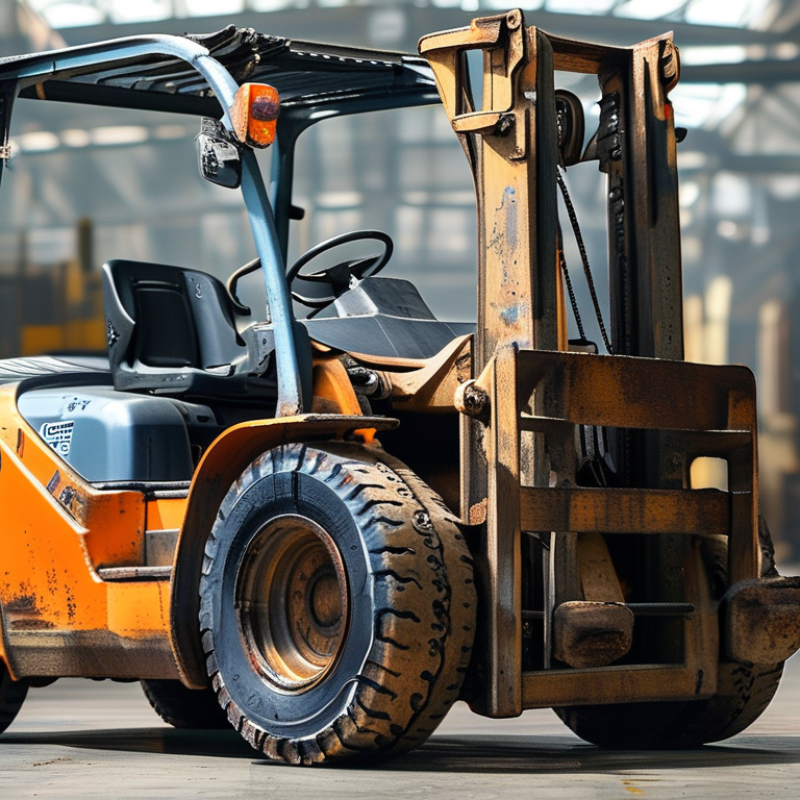
Forklift tires are crucial for efficient operation. Different types, such as solid, pneumatic, and cushion tires, all have unique characteristics.
Solid tires are durable but can be harsh on uneven surfaces. Pneumatic tires provide better traction but may wear out faster under heavy loads. Understanding these types aids in choosing the right tire for your needs.
The lifespan of forklift tires varies significantly. Factors include usage conditions and weight loads. Often, tires should be replaced every two to three years. Regular inspections can catch wear and tear early. Look for noticeable cracks, bulges, or uneven tread. These signs indicate it may be time for a replacement.
A common mistake is neglecting tire maintenance. Ignoring pressure levels can lead to decreased efficiency and increased costs. Properly inflated tires enhance performance. Establishing a routine tire check can prevent unexpected failures. Operators should educate themselves about tire care practices to ensure optimal performance.
Recognizing signs of tire wear and damage is crucial for maintaining peak forklift performance. Inspect your tires regularly for punctures and cracks. Look for uneven wear patterns, as this can indicate misalignment or improper inflation. If the tread is worn down, your forklift may struggle for traction, so check the depth often.
Another vital sign is vibration or noise while operating the forklift. These issues often stem from tire damage or unbalanced tires. Trust your instincts; if something feels off, address it immediately. Pay attention to how the forklift handles; if it drifts or doesn't respond as expected, tire problems could be the cause.
Delay in replacing damaged tires can lead to safety hazards and increased operational costs. If you notice bald spots, consider it a red flag. A thorough inspection can prevent accidents and inefficiencies. Prioritize tire maintenance and replacement to ensure smooth operations and reliable performance.
The condition of forklift tires significantly influences operational efficiency. According to industry reports, worn tires can lead to a 15% decrease in fuel efficiency. This decline impacts not only performance but also overall costs associated with transportation and logistics. Regular evaluation of tire wear is vital. Insufficient tread depth or visible cracks can result in increased stopping distances and reduced stability.
Tire pressure also plays a crucial role. A 10% under-inflation can reduce tire life by 25%. Maintaining proper pressure ensures optimal contact with the ground. This directly affects handling and safety, essential factors in busy warehouse environments. Many operators overlook these details, which can lead to serious performance issues. It’s often recommended that businesses implement a routine tire inspection program to address these concerns.
Operators should reflect on their maintenance practices. Are they routinely checking for irregular wear or checking pressure before shifts? Engaging with data from the American National Standards Institute suggests that proactive tire management can extend overall tire life by up to 30%. Small adjustments can lead to notable improvements in performance and safety metrics.
Maintaining your forklift tires is crucial for optimal performance. Several key factors play a role in determining when to replace them. One major consideration is tread wear. If the tread reaches 1/8 inch or less, it's time for a change. Worn tires can jeopardize safety and efficiency.
Another factor is the type of surface your forklift operates on. Rough surfaces can accelerate tire degradation. Additionally, check for visible damage, such as cuts or bulges. These issues can compromise stability. Regular inspections are essential. They help you catch problems early, avoiding costly downtimes.
Temperature and load capacity also impact tire lifespan. Higher temperatures can lead to faster wear. Overloading can stress tires beyond their limits. Keep an eye on tire pressure too. Under-inflation causes uneven wear and reduces handling. Monitoring these factors helps ensure your forklift performs at its best.
When it comes to forklift performance, selecting the right tires is crucial. Forklift tires influence stability, safety, and efficiency. According to industry research, nearly 30% of forklift accidents are tire-related. This emphasizes the importance of regular tire assessment.
Consider the environment where the forklift operates. Different surfaces require different tire types. For example, solid tires are ideal for rough terrains due to their puncture resistance. In contrast, pneumatic tires are more suited for smooth surfaces. Analyze the operational conditions carefully. Each tire type has its strengths and weaknesses, and the wrong choice can lead to costly downtime.
Regular inspections can help determine when to replace tires. Look for signs of wear, such as tread depth below 1/4 inch. Visual inspections can unearth cracks and bulges. Neglecting tire maintenance can severely impact performance. It's essential to adopt a proactive approach. Research shows that well-maintained tires can improve fuel efficiency by up to 15%. Prioritizing tire quality will enhance overall operational effectiveness.
This chart represents the different wear levels of forklift tires over time, measured in hours of usage. Regularly monitoring tire wear can help ensure peak performance and safety in operations.
: Forklift tires include solid, pneumatic, and cushion types. Each has unique features suited for different surfaces.
The lifespan of forklift tires varies. They often need replacement every two to three years, depending on usage conditions.
Look for cracks, bulges, or uneven tread. If the tread is 1/8 inch or less, it’s time for new tires.
Neglecting tire maintenance can reduce efficiency and increase costs. Proper inflation and regular checks enhance performance.
Rough surfaces can accelerate tire degradation. Operators should inspect tires regularly for visible damage when on challenging terrain.
Higher temperatures can lead to faster tire wear. Monitoring temperature and usage is essential for maintaining tire health.
Establish a routine tire inspection schedule. Regular checks can catch wear early and avoid costly downtimes.
Overloading stresses tires and may lead to reduced lifespan. It can also compromise stability and handling, risking safety.
When it comes to maintaining optimal performance in your operations, a crucial question arises: "When should I replace my forklift tires?" Understanding the different types of forklift tires and their expected lifespan is essential for effective decision-making. Regularly recognizing signs of tire wear and damage, such as uneven tread or visible cracks, can help you gauge when a replacement is necessary.
Tire condition significantly influences forklift performance, safety, and efficiency. It's advisable to evaluate key factors like usage frequency, load capacity, and operational environment when determining the right time for tire replacement. Additionally, choosing the correct replacement tires tailored to your specific operational needs can enhance overall productivity and prolong the lifespan of your forklift. Regular assessments will ensure that your forklifts operate safely and effectively, minimizing the risk of downtime due to tire-related issues.

Titan Forklift