Top 10 Most Common Forklift Repair Issues?

Time:2026-09-28 Author:Sienna
0%

Forklift downtime often begins with a small, visible clue: a battery that struggles to hold charge, a hydraulic hose leaving a wet mark, or a tire worn flat along one edge. What are the most common forklift repair issues? The answer depends on truck type, workload, environment, and maintenance history. There is no single public industry dataset that ranks every repair across all fleets, so a credible overview should not pretend there is.

OSHA’s Powered Industrial Trucks standard, 29 CFR 1910.178(q)(7), requires forklifts to be examined before service, at least daily, and after each shift when used continuously. OSHA’s Powered Industrial Trucks eTool also emphasizes inspection and safe maintenance practices. These references focus on safety, not repair-frequency rankings, but they show why routine checks matter: small defects can affect braking, steering, lifting, or operator visibility. A missed warning light matters.

This article outlines ten recurring service concerns, including battery and charging faults, tire wear, hydraulic leaks, mast and chain problems, brake wear, steering faults, electrical issues, and cooling-system trouble. The exact pattern varies. Dust, cold storage, uneven floors, long shifts, and heavy loads can all change which components wear fastest. A cracked hose may look simple; its cause may be heat, abrasion, or poor routing. That distinction is easy to miss. The practical aim is to identify symptoms, explain likely causes, and show when a qualified technician should inspect the truck before a minor fault becomes costly downtime.
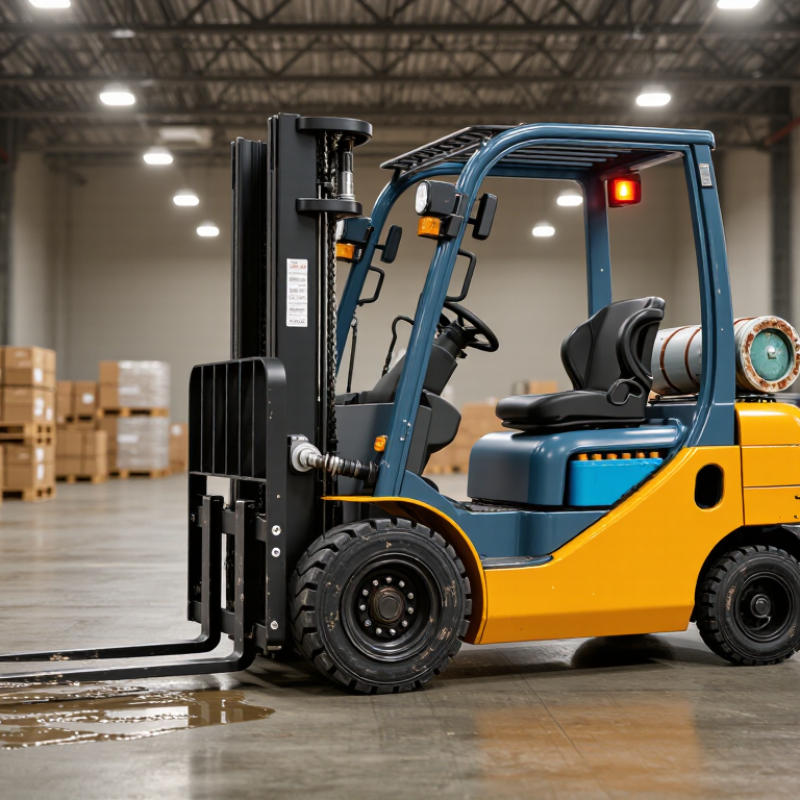
Top 10 Most Common Forklift Repair Issues?

How Common Forklift Repair Issues Are Identified and Categorized

Top 10 Most Common Forklift Repair Issues?

How Common Forklift Repair Issues Are Identified and Categorized

Forklift repair issues are categorized by symptoms, operating conditions, and inspection findings—not guesswork. Common groups include hydraulic, electrical, engine or drive, brake and steering, tire, and mast problems. A category guides the checks, but it does not confirm the cause. A mast that lowers slowly, for example, may have a fluid leak, worn seals, restricted flow, or a faulty control valve. Record the load, temperature, and when the symptom occurs. Details matter.

Technicians compare operator reports with visible wear, warning indicators, fluid levels, and functional tests. A clicking sound during starting may suggest an electrical connection or battery concern; uneven braking calls for a careful brake inspection. Similar symptoms can have different causes. This system is useful, though imperfect: rushed notes or changing workloads can hide patterns. Maintenance records help reveal whether a fault is recurring or newly developed. If safe operation is uncertain, stop using the truck and request a qualified inspection.

Engine, Fuel, Cooling, and Transmission Problems

Engine, fuel, cooling, and transmission faults often start with small clues: a slow crank, a fuel smell, rising temperature, or delayed gear engagement. Check engine oil and coolant levels, but do not open a hot radiator. A clogged air filter or restricted fuel filter can cause rough running and lost power. These symptoms overlap, so replacing parts by guesswork can waste time.

Cooling problems deserve quick attention. Look for coolant drips beneath the truck, a damaged hose, or debris blocking the radiator fins. Transmission trouble may show as slipping, harsh shifts, or fluid leaks. OSHA’s Powered Industrial Trucks eTool calls for inspection and removal from service when a truck is unsafe; OSHA estimates forklift incidents cause about 85 deaths and 34,900 serious injuries annually in the United States. That figure is not specific to mechanical failures, but it shows why ignored defects matter. A warning light is easy to dismiss. Sometimes that is the costly mistake.

Tips: Record when the symptom occurs, such as after a cold start or under load. Note fluid levels and visible leaks, then have a qualified technician diagnose the cause. Do not keep operating a truck that overheats or loses drive. The exact cause is not always obvious.

Hydraulic Leaks, Mast Damage, and Lift-System Failures

Top 10 Most Common Forklift Repair Issues?

Hydraulic Leaks, Mast Damage, and Lift-System Failures

Hydraulic leaks often show up as wet fittings, oily hoses, or a small puddle beneath the truck. Even a slow drip can lower lifting performance and contaminate nearby components. Never search for a pressurized leak with your hand; a fine jet can penetrate skin. A trained technician should inspect damaged hoses, seals, and connections before the forklift returns to service. Small leaks matter.

Mast problems may begin with worn rollers, loose hardware, bent rails, or uneven movement. Watch for scraping sounds, visible play, and a load that rises at an angle. Lift-system failures can also involve stretched or poorly adjusted chains, faulty valves, or internal hydraulic bypass. If the forks drift downward or hesitate under load, stop using the truck and arrange an inspection. A quick visual check helps, but it can miss internal wear; that limitation is easy to overlook.

Battery, Electrical, Starting, and Charging Faults

Battery, electrical, starting, and charging faults often begin with small clues: slow lifting, dim warning lights, or a starter that clicks. On lead-acid units, low electrolyte, sulfation, and corroded terminals can reduce usable power. On electric forklifts, inspect battery plugs, cables, fuses, contactors, and charger connections for heat marks or looseness. Small clues matter. A voltage reading alone can mislead; it may look acceptable without load, then collapse during a lift. Check connections and test under load before condemning the battery.

Starting faults on combustion forklifts may involve a weak battery, damaged cables, a failed starter, or poor ground. Charging problems can point to the alternator or regulator, while electric units need charger settings and connectors checked against the battery specification. OSHA’s Powered Industrial Trucks guidance cites estimates of about 85 fatal forklift accidents and 34,900 serious injuries annually; these figures are not specific to electrical faults, but they show why reliable equipment matters. OSHA standard 29 CFR 1910.178(g) also requires designated battery-charging areas and safeguards against ignition hazards. Hydrogen can collect during charging. Ventilation matters. A common diagnostic mistake is replacing a battery before checking the charger, cable resistance, and charging history. That shortcut may fix nothing. Keep dated readings and repair notes, even when the fault seems obvious.

Top 10 Common Forklift Repair Issues: Battery, Electrical, Starting & Charging

A practical overview of frequently encountered fault categories. Bars show qualitative troubleshooting priority, not measured failure rates.

How to read this chart: Higher scores indicate issues that are often useful to check early during diagnosis. Actual repair frequency varies by forklift type, operating conditions, maintenance history, and battery chemistry. Starting-system and alternator checks apply primarily to internal-combustion forklifts; charger checks apply to electric forklifts.

Brake, Steering, and Tire Problems That Require Repair

Brake, steering, and tire problems can develop gradually, then affect safe handling during a busy shift. A forklift that takes longer to stop, pulls to one side, or makes a scraping sound needs prompt attention. On hydraulic brake systems, a visible fluid leak or a soft pedal can indicate a fault. Worn brake components may also reduce stopping performance. Do not dismiss a small change as normal; that assumption deserves a second look.

Steering trouble may show up as unusual play in the wheel, stiff turning, or drifting while traveling on a level surface. Worn linkages, damaged components, or hydraulic problems can contribute. Tires deserve close inspection, too. Look for deep cuts, missing chunks, flat spots, cracks, or exposed reinforcement. Pneumatic tires also need pressure checks against the equipment requirements. Even a minor tire defect can affect stability under load.

Tips: Check brakes, steering, and tires during the pre-use inspection, and note changes rather than relying on memory. If braking or steering feels unreliable, park the forklift safely and arrange inspection by a qualified technician. Avoid guessing at repairs. A quick visual check is useful, but it cannot confirm every hidden fault.

FAQS

What are common signs of a forklift hydraulic leak?

Look for wet fittings, oily hoses, or a small puddle beneath the truck. Even a slow drip can reduce lifting performance. Small leaks matter.

Is it safe to check a suspected pressurized leak by hand?

No. A fine jet can penetrate skin. Have a trained technician inspect damaged hoses, seals, and connections before the forklift returns to service.

What can indicate mast damage or wear?

Watch for scraping sounds, loose hardware, visible play, bent rails, or uneven movement. A load rising at an angle is another warning sign.

What should I do if the forks drift downward or hesitate?

Stop using the forklift and arrange an inspection. Stretched chains, faulty valves, or internal hydraulic bypass may be involved. A quick visual check can miss hidden wear.

Which checks can help spot problems during routine inspections?

Park on level ground, lower the forks, and follow site lockout procedures. Check for fresh fluid, damaged hoses, and uneven chain tension. Record unusual noises or slower lifting.

What brake symptoms need prompt attention?

Longer stopping distance, a soft pedal, fluid leaks, or scraping sounds can point to a fault. It is tempting to call a small change normal. That may be the wrong call.

What are signs of steering or tire trouble?

Notice unusual steering-wheel play, stiff turning, or drifting on level ground. Inspect tires for deep cuts, missing chunks, cracks, flat spots, or exposed reinforcement.

When should a forklift be parked for inspection?

Park it safely if braking or steering feels unreliable, or if lifting movement changes. Never work beneath a raised mast or load. A visual check is useful, but it cannot confirm every hidden fault.

Conclusion

What are the most common forklift repair issues? They often involve engine, fuel, cooling, and transmission systems, as well as hydraulic components and lift assemblies. A careful inspection can help identify warning signs such as unusual noises, fluid leaks, overheating, slow or uneven lifting, and difficulty starting. Categorizing symptoms by system makes it easier to understand the likely source of a problem and determine which parts need attention.

Battery, electrical, starting, and charging faults may cause intermittent operation or prevent a forklift from starting reliably. Brake, steering, and tire problems can also affect handling and should be addressed when performance changes, wear becomes visible, or controls feel abnormal. Regular checks and timely repairs can help maintain dependable operation, reduce the chance of more extensive damage, and support safer day-to-day use.

Sienna

Sienna

Sienna is a skilled marketing professional with a deep expertise in our company’s core products and services. With a passion for innovation and detail, she plays a pivotal role in crafting insightful blog posts that not only highlight the unique features of our offerings but also provide valuable......