Top 10 Forklift Attachments and How to Install Them Safely

Time:2026-10-18 Author:Isabella
0%

Forklifts become far more capable when matched with the right attachment. Fork extensions can handle wider loads, while clamps secure drums, cartons, or irregular materials. Rotators, side shifters, booms, and work platforms solve different handling problems. Each option also changes the machine’s balance, visibility, and rated capacity.

This guide explores the top 10 forklift attachments and their practical installation requirements. It focuses on common warehouse, manufacturing, construction, and logistics applications. The recommendations reflect manufacturer guidance, operator training principles, and real-world inspection practices. Always confirm compatibility with the forklift’s model, carriage class, hydraulic system, and capacity plate.

How to install a forklift attachment safely?

The answer begins before the attachment reaches the carriage. Check for cracks, bent hooks, worn locks, leaking hoses, and missing identification plates. Secure every mounting point. Connect hydraulic lines carefully, then test each function without a load. Keep hands away from pinch points. Keep bystanders clear.

Small details matter.

An attachment may fit physically but still reduce safe lifting capacity. The combined center of gravity can move forward several inches. That change may make a familiar load unstable. Operators should review the updated capacity information and complete a controlled test lift at low height. Do not rely on appearance alone.

Even experienced teams can overlook a loose retaining pin or a twisted hose. That is why a second inspection remains valuable. The following sections explain installation steps, suitable applications, safety checks, and common mistakes for each attachment. Some procedures vary by brand, and that uncertainty deserves attention. When the manual conflicts with a general recommendation, follow the manufacturer’s instructions and consult a qualified technician.
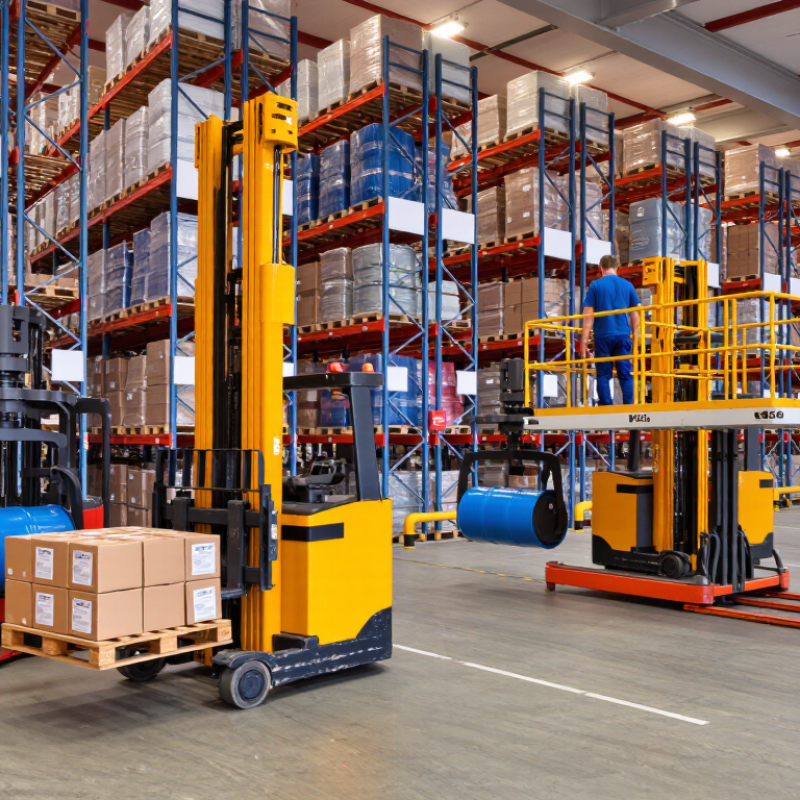
Top 10 Forklift Attachments and How to Install Them Safely

Forklift Attachment Basics: Types, Uses, and Compatibility

Forklift Attachment Basics: Types, Uses, and Compatibility

Forklift attachments change how a truck handles loads. A side shifter moves pallets sideways for precise placement. A fork positioner adjusts fork spacing from the seat. Bale clamps, carton clamps, drum handlers, and rotators secure specialized loads. Telescopic forks reach deeper into double-deep storage. Carpet poles support rolled materials, while load backrests stabilize tall cargo. Snow blades serve outdoor clearing work. Each attachment solves a different handling problem.

Compatibility begins with the forklift’s rated capacity, hydraulic system, and carriage dimensions. Check the attachment’s load center, weight, mounting class, and required oil flow. A heavy attachment reduces usable capacity, sometimes more than operators expect. The data plate and equipment manual should agree before installation. They often do not receive enough attention.

Park on level ground, lower the forks, switch off power, and apply the parking brake. Inspect hooks, locking pins, hoses, and welds for damage. Fit the attachment squarely onto the carriage, secure every lock, and connect clean hydraulic lines without forcing fittings. Then test each movement slowly, away from people and unstable loads. Watch for leaks. A neat installation can still be unsafe if the load center changes. This is the part many teams rush. A trained technician should verify the connection and update operating instructions when the attachment changes handling behavior.

The Top 10 Forklift Attachments and Their Main Applications

Top 10 Forklift Attachments and How to Install Them Safely

The Top 10 Forklift Attachments and Their Main Applications

Forklift attachments turn one truck into a flexible material-handling tool. A side shifter moves loads sideways for precise rack placement. A fork positioner adjusts fork spacing without manual contact. Paper-roll clamps handle rolls securely. Carton clamps move boxed goods without pallets. Bale clamps support compressed textiles, recycling, or agricultural materials. Drum handlers lift and rotate containers. Rotators turn loads for dumping or repositioning. Telescopic forks reach double-deep storage locations. Carpet poles carry rolled flooring. Load backrest extensions stabilize tall, shifting cargo.

Application must come before convenience. OSHA estimates that powered industrial trucks cause about 85 fatal accidents and 34,900 serious injuries annually in the United States. Those figures make attachment selection a serious engineering decision. Check the attachment’s rated capacity, load center, hydraulic requirements, and visibility effects. The truck’s capacity usually falls when the load center moves forward. It is easy to miss this detail.

Safe Installation and Inspection

Safe installation begins with a clean inspection area. Park, lower the forks, apply the brake, and isolate the power source. Slide the attachment fully onto the forks, then engage its locking pins or heel restraints. Connect hydraulic lines only after releasing pressure. Inspect couplers for leaks and confirm that hoses cannot contact moving parts. NIOSH research repeatedly links struck-by events and unstable loads with poor operating controls. A test lift should start only a few centimeters above the floor. Recheck balance, attachment movement, and the operator’s forward view. Installation manuals remain essential; experienced workers can still make careless assumptions.

How to Select the Right Attachment for Each Material-Handling Task

Selecting the right forklift attachment starts with the material, not the equipment catalog. Paper rolls need cradle support and controlled clamping. Drums need a dedicated gripping attachment. Long loads may require fork extensions, but only when the load center and rated capacity remain acceptable. Side shifters improve positioning, while rotators suit bins that must be emptied. The attachment’s weight reduces available lifting capacity, sometimes sharply. OSHA reports that powered industrial trucks cause about 35,000 serious injuries each year, making capacity checks essential. ANSI/ITSDF B56.1 also requires attachment use to match the truck’s rated capacity and stability limits.

Installation should be deliberate. Park on level ground, lower the forks, apply the brake, and isolate the truck before fitting an attachment. Check locking pins, hydraulic couplings, welds, and visible cracks. Confirm that the attachment is fully seated and that its identification plate is readable. Test it without a load, then lift a small, centered load close to the floor. HSE guidance repeatedly highlights training, stability, and pre-use inspection. Yet real workplaces sometimes rush this step. That shortcut deserves scrutiny.

Tips: Measure the load first. Record its weight, dimensions, center of gravity, and surface condition. Choose a clamp with enough grip, but avoid crushing fragile packaging. Never improvise pins or modify forks. Recheck capacity after installation. A qualified person should inspect unusual attachments, especially homemade or rarely used designs. Even a familiar attachment can behave differently on a narrow aisle, uneven floor, or wet loading area.

Step-by-Step Guide to Installing Forklift Attachments Safely

Top 10 Forklift Attachments and How to Install Them Safely

Fork extensions, side-shifters, clamps, rotators, booms, buckets, work platforms, bale clamps, drum handlers, and snowplows each change forklift behavior. Before installation, park on level ground, lower the forks, switch off power, and apply the parking brake. Check the attachment for cracks, bent hooks, missing pins, and unreadable capacity markings. Match its mounting points with the forklift carriage. Never force a poor fit.

Follow the attachment manual and your site’s written procedure. A competent person should inspect the locking pins, retaining clips, hydraulic hoses, and quick-connect fittings. Confirm that every connection is fully seated. Then test each movement without a load. Watch for leaks, unusual noise, and uneven travel. The load center may move forward, reducing safe capacity. Update the capacity plate when required under OSHA 29 CFR 1910.178(a)(4).

OSHA reports about 85 forklift-related fatalities and 34,900 serious injuries in the United States each year. That figure makes a small installation mistake more serious than it appears. Keep hands away from pinch points, and use blocking equipment when working beneath raised components. Never let someone stand under an elevated attachment. Operators also need attachment-specific training under OSHA 29 CFR 1910.178(l). The overlooked step is often the final walk-around. Recheck pins after the first loaded test. Even experienced teams can miss one loose latch. That deserves honest reflection.

Top 10 Forklift Attachments: Typical Safety Verification Points

The chart compares the main verification points normally required before using each attachment: compatibility, locking, hydraulic or mechanical connections, capacity confirmation, load stability, visibility, and a functional test. Always follow the attachment manual, inspect the forklift data plate, and obtain approval from a qualified supervisor before operation.

Inspection, Testing, and Safe Operation After Installation

After installing any forklift attachment, treat the truck as changed equipment, not a familiar machine. OSHA estimates that powered industrial trucks cause about 35,000 serious injuries annually. Inspection must begin with the attachment plate, locking pins, welds, hoses, and hydraulic couplings. Look for cracked metal, bent forks, loose bolts, and oil on the floor. Confirm the attachment’s rated capacity and load center match the truck’s data plate. A small shift in load center can reduce lifting capacity sharply.

Test slowly in a clear area. Run the attachment without a load, checking unusual noise, uneven movement, and hydraulic drift. Then lift a light test load a few inches, tilt it, and lower it smoothly. Check steering, brakes, visibility, mast stability, and overhead clearance. OSHA 1910.178 requires examination of powered industrial trucks before service, while ISO 3691-1 emphasizes safe operation and stability controls. Keep those records.

Do not skip the awkward details. A clamp may close correctly but fail under uneven pressure. A rotator may stop one degree off-center. Operators should receive attachment-specific training, including new hand signals and revised load limits. I have seen inspections pass because workers checked the pins but ignored a leaking coupling. That mistake is easy to repeat. Stop the truck when defects appear, tag it clearly, and obtain competent repair approval before returning it to service.

FAQS

What does a forklift attachment do?

An attachment changes how the forklift carries or positions loads. A side shifter moves pallets sideways. A rotator turns containers or bins. Each tool solves a different handling problem.

Which attachments suit different loads?

Fork positioners adjust fork spacing from the operator’s seat. Clamps hold cartons, bales, drums, or other shaped loads. Telescopic forks reach deeper storage positions. Carpet poles support rolled materials.

How can I check attachment compatibility?

Compare the forklift’s rated capacity, hydraulic flow, carriage size, and mounting class. Check the attachment weight and load center. The data plate and manual should agree. Small differences matter.

Why does an attachment reduce lifting capacity?

The attachment adds weight in front of the carriage. It can move the load center forward. That change may reduce usable capacity sharply. Many operators underestimate this effect.

What should operators inspect before installation?

Park on level ground and lower the forks completely. Switch off power and apply the parking brake. Inspect hooks, pins, hoses, welds, and fittings. Look for cracks, bent parts, loose bolts, and oil.

How should an attachment be installed?

Fit it squarely onto the carriage. Secure every locking pin or mechanism. Connect clean hydraulic lines without forcing fittings. A trained technician should verify the connection.

How should the attachment be tested?

Test every movement slowly in a clear area. Begin without a load. Listen for unusual noise and watch for hydraulic drift. Then lift a light load slightly and lower it smoothly.

What should operators do when defects appear?

Stop the truck immediately when a defect appears. Tag it clearly and keep it out of service. Obtain competent repair approval before use. A neat installation can still be unsafe.

Conclusion

Forklift attachments expand a truck’s capabilities by adapting it for different materials, loads, and working conditions. Common options include side shifters, fork positioners, clamps, rotators, booms, platforms, drum handlers, carton clamps, bale clamps, and extension forks. Each attachment has specific load limits, mounting requirements, and compatibility considerations, so operators should match it to the material, load shape, center of gravity, and task before use.

How to install a forklift attachment safely? Begin by checking the forklift and attachment manuals, capacity plates, locking points, hydraulic connections, and mounting components. Park on level ground, switch off the truck, secure the attachment, and follow the correct installation sequence. After mounting, inspect pins, latches, hoses, forks, and guards for damage or looseness. Test every movement slowly without a load, confirm stable operation, and recalculate the truck’s capacity when necessary. Operators should receive suitable training, maintain clear visibility, travel at a controlled speed, and stop work immediately if unusual movement or damage appears.

Isabella

Isabella

Isabella is a dedicated marketing professional with a sharp focus on driving brand growth and engagement through strategic content creation. With an extensive background in digital marketing, she combines her passion for storytelling with her keen understanding of industry trends to deliver......