Obtaining a forklift license is essential for safety and compliance in various industries. However, many individuals wonder: "What are the legal requirements for a forklift license?" Understanding these requirements is crucial for both employers and employees. Knowing the specifics ensures that operators can handle heavy machinery safely and effectively.
In many regions, legal requirements include age restrictions, training, and certification processes. Operators typically need to be a minimum age, often around 18 years. Furthermore, they must complete a comprehensive training program that covers safety protocols and operational skills. This training often includes both classroom instruction and practical, hands-on experience to ensure competency.
It is vital to stay updated with local regulations since requirements can vary widely. Mistakes in compliance can lead to serious accidents or legal penalties. Thus, reflecting on the implications of these requirements helps improve workplace safety. Operators are encouraged to continuously evaluate their knowledge and skills, ensuring they meet evolving standards in their industry.
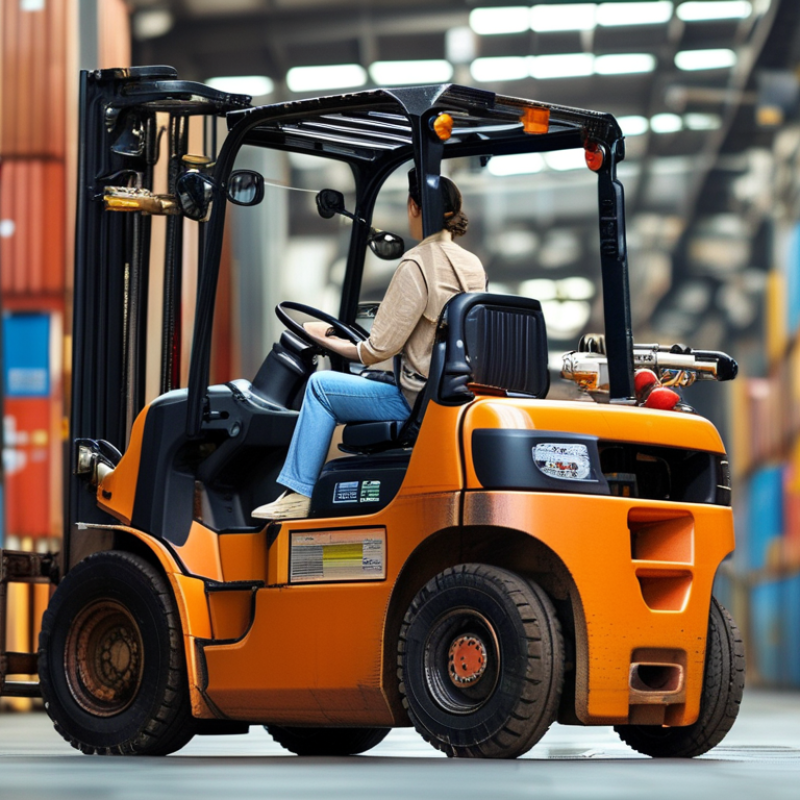
Understanding Forklift Licensing Requirements
Understanding forklift licensing requirements is crucial for workplace safety. According to the Occupational Safety and Health Administration (OSHA), around 68% of forklift accidents are attributed to operator error. Proper training and licensing help mitigate such risks and ensure a safer working environment. Generally, operators must be at least 18 years old and complete a specific training program to earn a license.
Several key requirements exist when obtaining a forklift license. Training typically covers equipment operation, safety procedures, and load handling. Participants must demonstrate their ability to operate various forklifts effectively. Reports indicate that companies with certified operators experience 25% fewer accidents.
For those looking to obtain a forklift license, consider these tips: Always choose training programs accredited by recognized agencies. These programs adhere to industry standards and improve safety knowledge. Additionally, practice is essential. Spend time on different forklift models to gain diverse experience. Reflecting on past operation challenges can enhance overall skills and safety awareness.
Regular refresher courses can also be important. The industry evolves, and staying updated on new safety regulations is key. Remember that consistent training improves not just individual performance but the organization’s overall safety culture.
Age and Health Restrictions for Forklift Operators
When it comes to operating forklifts, age and health requirements are crucial. Generally, forklift operators must be at least 18 years old. This age restriction helps ensure that operators possess the necessary maturity and decision-making skills. According to the Occupational Safety and Health Administration (OSHA), younger operators may lack the experience needed for safe machinery operation.
Health is another critical factor. Operators should have good vision and hearing to maintain awareness in noisy environments. A 2022 report by the National Safety Council emphasizes that poor health conditions can lead to accidents. For instance, operators with vision impairments are more likely to overlook hazards. Regular health assessments can help ensure that operators meet these essential standards.
Tip: If you are preparing for your license, ensure a comprehensive health check. Being in good physical condition is not just about passing a test; it's essential for safety on the job.
Mental acuity also matters. Operators need to be focused and alert. Fatigue can significantly increase the risk of accidents. A study published in the Journal of Occupational and Environmental Medicine states that tired operators have 30% higher accident rates.
Tip: Take regular breaks during your shift. Hydrate and stretch to maintain focus and reduce fatigue. These habits can make the difference in a high-stakes environment.
Training Programs and Certification Processes
Obtaining a forklift license requires completing a rigorous training program. These programs are typically offered by accredited training organizations. They focus on both theoretical and practical aspects of forklift operation. Understanding forklift types, load capacities, and safety protocols is crucial. Instruction generally includes classroom training, followed by hands-on practice.
Successful candidates must pass a written exam and a practical skills test. This process verifies a trainee's knowledge and competence. Instructors often provide real-world scenarios to enhance learning. Unfortunately, not all programs maintain high standards. Some may prioritize quick certification over quality training. This can lead to unsafe practices on the job.
Certification processes vary by region. Some areas require re-certification after a set time. Workers must stay compliant with local regulations. It’s essential to choose a reputable training provider. Without this, operators may face difficulties in ensuring workplace safety. Reflecting on personal experiences can help improve one’s skills and understanding of forklift operation.
Written and Practical Exam Requirements
Obtaining a forklift license is crucial for workplace safety. Written and practical exams serve as essential components of this process. The written exam typically includes safety regulations and operational protocols. It tests knowledge on topics like load limits, stability, and appropriate driving techniques. According to a recent industry report, nearly 30% of candidates fail the written exam on their first attempt due to inadequate preparation. A solid grasp of the theoretical aspects is vital.
The practical exam evaluates a candidate's ability to operate a forklift safely. It assesses skills in maneuvers such as turning, lifting, and load handling. Candidates must demonstrate these skills under real working conditions. A staggering 40% of employers report that they have to retrain certified forklift operators due to practical deficiencies observed post-license acquisition. This highlights the gap between theory and actual operation, stressing the importance of hands-on training. Practical assessments not only verify skills but also help build confidence in operators.
Both written and practical exams are crucial for protecting workers and reducing workplace accidents. Organizations should prioritize comprehensive training programs that address both areas. Continuous evaluation after licensure may also be beneficial, as skills can diminish over time. Regular refreshers can help mitigate risks and ensure a safer working environment.
Top 10 Legal Requirements for Obtaining a Forklift License
Understanding Local Regulations and Compliance Standards
Understanding local regulations and compliance standards is crucial when obtaining a forklift license. Regulations vary widely by location. It is essential to research local requirements before starting the licensing process. Contact local safety organizations or government agencies to gather specific information. They can provide insights into the necessary training, exams, and certifications required.
Different jurisdictions may have unique criteria for forklift operation. For example, some areas require written tests, while others emphasize hands-on training. It's essential to ensure your training program aligns with these local rules. Trainees should prepare for both practical assessments and theoretical knowledge, as both are vital to compliance. Keeping up with any changes in regulations can also be challenging.
Compliance does not end with obtaining a license. Operators must maintain their skills and knowledge. Refresher courses might be required periodically. Understanding the importance of continuous education cannot be overstated. Ignoring these aspects can lead to fines and safety violations. Each licensed operator has a responsibility to uphold safety standards at all times. This mindset fosters a culture of safety within the workplace.
FAQS
: Operators must be at least 18 years old to ensure maturity and decision-making skills.
Good vision and hearing are essential for safety. Poor health can lead to accidents and oversights.
Fatigue increases accident risks significantly. Tired operators have a 30% higher chance of accidents.
Training covers theory, safety protocols, and practical operation. Hands-on practice is crucial for competence.
You need to complete a training program and pass written and practical exams.
No, some prioritize quick certification over quality. This can lead to unsafe work practices.
Re-certification requirements vary by region. It’s vital to stay compliant with local regulations.
Regular breaks, hydration, and stretching can help maintain alertness and reduce fatigue.
Yes, they help ensure operators meet vision and hearing standards, promoting workplace safety.
Reflecting on past experiences can help enhance understanding and operational skills.
Conclusion
When seeking to understand "What are the legal requirements for a forklift license?", it is essential to consider several key factors. First, operators must meet specific age and health restrictions, ensuring they are physically capable of handling the machinery safely. Additionally, comprehensive training programs and certification processes are required, whereby individuals gain theoretical and practical knowledge necessary for effective operation.
Furthermore, candidates must pass both written and practical exams to demonstrate their competency. Navigating local regulations and compliance standards is also critical, as these can vary significantly between jurisdictions. Overall, adhering to these requirements not only ensures compliance with the law but also promotes safety in the workplace.

 Titan Forklift