Calculating the load capacity of a forklift is crucial for safe operations. Understanding "how to calculate the load capacity of a forklift?" is essential for anyone involved in warehouse management. This process ensures equipment is not overloaded, which can lead to accidents and equipment failure.
To accurately determine load capacity, you must consider several factors. The forklift's rated capacity is typically found on its nameplate. However, this number can change based on load distribution, fork length, and attachments. Not all scenarios adhere to these rules, leading to complications. It's important to reflect on these variables carefully.
Improper calculations can lead to severe consequences. A forklift operating beyond its limits can tip over, causing injury and damage. Learning to calculate load capacity requires practice and attention to detail. While guidelines exist, each situation can present unique challenges. Awareness of these nuances can aid operators in making informed decisions.
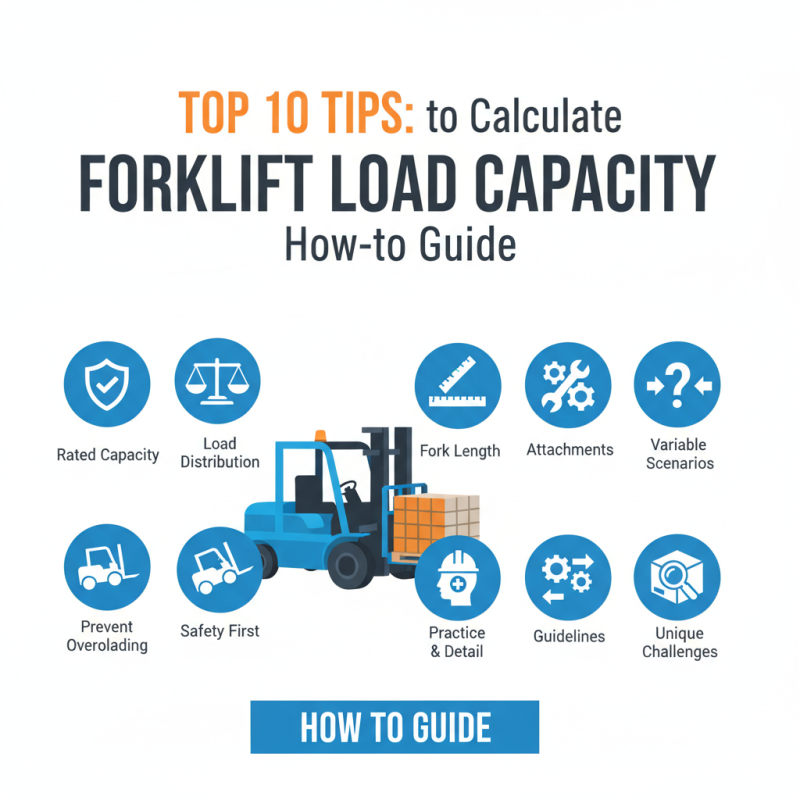
Understanding forklift load capacity is crucial for safety and efficiency in industrial settings. Load capacity refers to the maximum weight a forklift can safely handle. This figure varies based on several factors, including the type of forklift, its weight, and the specific configuration. According to OSHA guidelines, a forklift's load center also significantly influences capacity. A standard load center on a forklift is 24 inches, but deviations can lead to incorrect assessments of what the forklift can carry.
When evaluating load capacity, it’s essential to consider the lifting height. Some reports indicate that lifting a load to greater heights often reduces the overall capacity. For instance, a lift rated at 5,000 pounds at 24 inches might only handle 3,500 pounds at 60 inches. This reduction occurs due to stability and balance concerns as the center of gravity shifts. Operators must thoroughly understand these dynamics to avoid accidents.
Regular inspections and recalibrations are vital in maintaining accurate load capacity. Miscalculating loads can lead to tipping or equipment failure. In fact, about 20% of forklift injuries are a direct result of improper load handling, stressing the need for ongoing training and adherence to manufacturer guidelines. These details must be part of every operator's daily routine to ensure workplace safety.
: Weight is a primary concern. Each forklift has a specific weight limit that must not be exceeded.
Stability is crucial because it affects how a load is transported. A high center of gravity can lead to tipping.
Proper load placement maintains stability. Operators should be trained on load balancing techniques to prevent accidents.
Design features, like mast height and wheelbase, influence capacity. A wider wheelbase often improves stability during transport.
Adhering to standards like OSHA is essential to avoid accidents. Improper load calculations contribute to many forklift injuries.
The standard load center is typically 24 inches. Deviating from this can decrease the forklift's load capacity.
Seasonal changes can impact load characteristics. Temperature fluctuations may alter the materials handled.
Operators must check the forklift's load capacity label and ensure it is not overloaded to prevent tip-overs.
Safety training should include load calculations to keep team members informed about safe lifting practices.
Daily inspections are vital. Checking brakes and steering can prevent significant accidents and improve safety.
Understanding how to calculate the load capacity of a forklift is crucial for safe and efficient operations in any material handling environment. The article outlines key definitions and terms that form the foundation of load capacity calculations. It discusses critical factors influencing this capacity, such as weight, stability, and design features of the forklift. A step-by-step guide to applying the relevant formula illustrates how to determine the appropriate load limits for various types of forklifts.
Moreover, the article emphasizes the importance of adhering to industry standards and regulations that govern load capacity. These guidelines ensure compliance and help mitigate risks during operations. Safety considerations are also highlighted, stressing the need for operators to understand these concepts fully to reduce potential hazards and ensure a safe working environment. By following these tips, individuals will gain a clearer understanding of how to calculate the load capacity of a forklift effectively.

 Titan Forklift