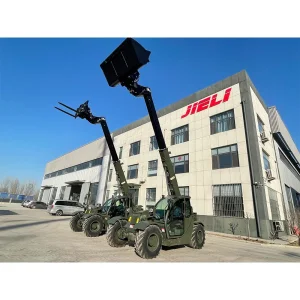
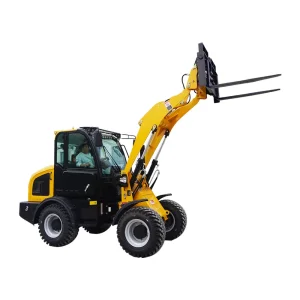
In the rapidly changing landscape of global construction and agricultural machinery, sourcing heavy machinery requires deep insight. Telehandlers (Telescopic Handlers) have emerged as critical multi-tool carriers, bridging the gap between traditional rough-terrain forklifts, skid steer loaders, and mobile cranes. Finding the ideal engineering equilibrium between hydraulic performance, structural stability, and engine compliance remains a key objective for logistics companies, agricultural operations, and construction enterprises.
For procurement managers, searching for a China best telehandler supplier is no longer just about seeking the lowest initial cost. The modern calculation integrates lifetime operational expenses, engineering reliability, supply chain flexibility, and compliance with local emissions zones (such as EU Stage V or EPA Tier 4 Final). Choosing a partner like Hangzhou Titan Forklift Co., Ltd. ensures that buyers gain access to advanced design methodologies, strict quality controls, and robust after-sales frameworks built to maximize equipment uptime.
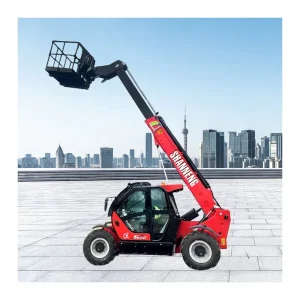
Advanced proportional valve integration allows operators to command smooth, simultaneous boom functions under varying load weights.
Certified FOPS/ROPS structural enclosures, featuring high-visibility glass and ergonomic control joysticks to reduce driver fatigue.
Active load moment indicators (LMI) monitor rear-axle loading to prevent forward tipping during boom extension.
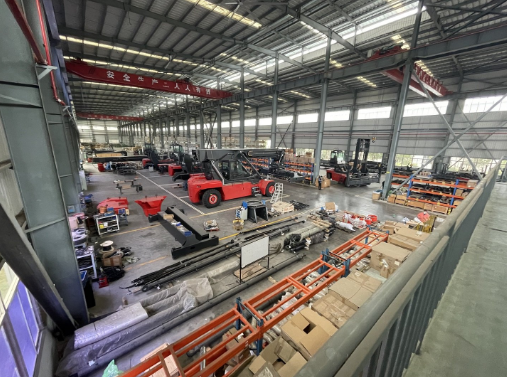
Founded in 2007 and headquartered in the industrial hub of Hangzhou, Zhejiang Province, China, Hangzhou Titan Forklift Co., Ltd. is a leading manufacturer specializing in the research, design, production, sales, and service of material handling equipment and heavy forklifts. Over nearly two decades, the company has operated under a strict quality philosophy: "Quality First, Innovation Driven, Service Oriented."
Titan Forklift operates a vertically integrated production plant. This facility features advanced CNC machining centers, automated robotic welding systems, dedicated vehicle testing lines, and multi-track assembly pipelines. This production capacity enables Hangzhou Titan to consistently deliver lifting solutions that meet strict international testing standards.
By leveraging high-performance steel cutting, automated structural fabrication, and paint booths designed for marine-grade corrosion resistance, Hangzhou Titan ensures its equipment can withstand harsh industrial and coastal environments.
The Chinese heavy equipment supply chain offers key advantages beyond basic labor cost savings. It is built on a mature ecosystem of raw material production, specialized component clusters, and agile manufacturing processes.
Proximity to high-strength steel mills (such as Q460 and Q690 grade structural steel) ensures that the telescopic booms of Titan telehandlers maintain high rigidity with minimal structural weight. This maximizes load capacities at extended horizontal outreaches.
By partnering with global drivetrain brands like Perkins, Cummins, Yanmar, and Rexroth, Chinese suppliers design machinery that pairs cost-effective structural steel with internationally serviceable engines and hydraulic systems. This configuration helps simplify maintenance globally.
Unlike rigid Western assembly operations, Titan Forklift specializes in rapid customization. Whether your operation requires custom attachment interfaces, cold-weather hydraulic packages down to -40°C, or specialized explosion-proof ratings for chemical logistics, our engineering teams can adapt structures quickly.
With major hydraulic valve and cylinder clusters concentrated in Zhejiang and Jiangsu, custom development cycles for specialized attachments (such as bale clamps, personnel baskets, and winch hooks) are significantly shorter. This speeds up overall project delivery times.
Importing heavy machinery requires strict compliance with domestic safety regulations and environmental guidelines. A supplier's value is defined by their ability to provide the necessary certifications for smooth customs clearance and legal job site operations.
| Target Region | Primary Certification | Emissions Compliance | Critical Engineering Focus |
|---|---|---|---|
| European Union | CE Machinery Directive (2006/42/EC) | Euro Stage V Regulations | EN 15000 (Safety of industrial trucks - self-propelled variable reach trucks) |
| North America | ANSI / ITSDF B56.6 | EPA Tier 4 Final Compliance | FOPS/ROPS cabin structures, UL safety ratings, low sulfur operation |
| Australia & Oceania | AS 1418.19 | Tier 3 or Stage IV/V (Project dependent) | Stability limits, high wind speed structural compliance, ROPS certificates |
| Emerging Markets | EAC (Eurasia), ISO 9001 | Tier 2 / Tier 3 Option availability | Cold start performance, simplified fuel filtration for high-sulfur diesel |
Titan Forklift designs and constructs machinery with these regulatory frameworks in mind. We configure exhaust after-treatment systems (DPF, SCR, and DOC) to meet regional emissions standards, while ensuring structural compliance to satisfy local safety inspectors.
Telehandlers are highly versatile machines. They offer efficiency and utility across various challenging environments:
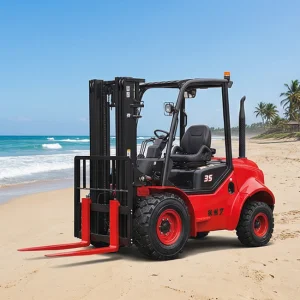
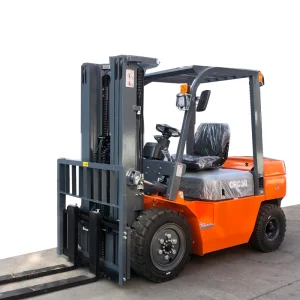
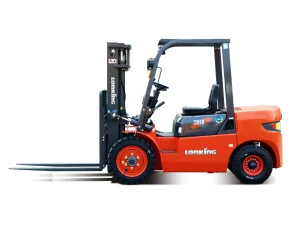
Used for unloading flatbeds, restacking ISO shipping containers, and operating in tight spaces where large reach stackers cannot fit. Titan's high-capacity forklifts work efficiently inside port terminals.
From hay bale stacking to grain handling using high-capacity buckets. The rough-terrain capabilities of 4WD models allow them to traverse muddy fields and unpaved feed yards.
Placing structural steel, transferring pallets of brick over mud, and hoisting materials to multi-story scaffolding. Titan telehandlers serve as core lifters on urban and rural construction sites alike.
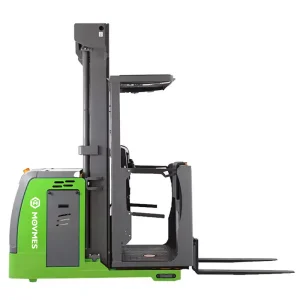
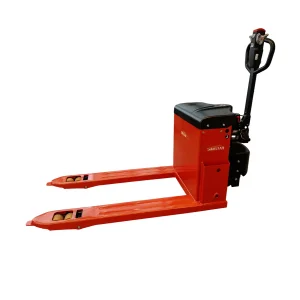
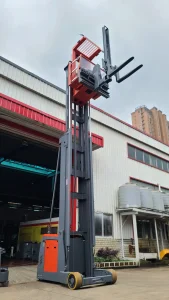
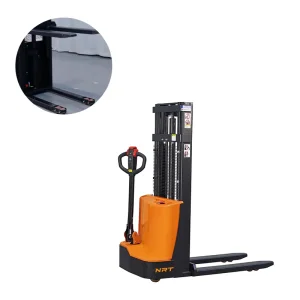
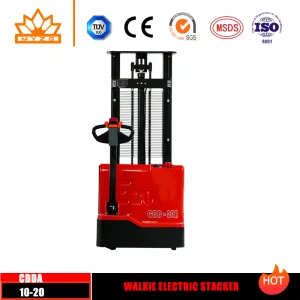
The material handling industry is undergoing two major transitions: electrification and digital safety integration. In response, Titan Forklift is expanding its electric vehicle (EV) fleet, integrating lithium iron phosphate (LFP) battery technologies across its warehouse stackers, order pickers, and compact lift platforms.
Lithium-ion powertrains provide significant advantages, including zero localized emissions, lower maintenance costs (no engine oil, filters, or exhaust fluid), and opportunity-charging capabilities that allow machinery to be charged during shift breaks.
Additionally, the integration of CAN-bus control systems and telematics helps operators monitor machine health in real-time, predict component failures, and track fleet utilization remotely.
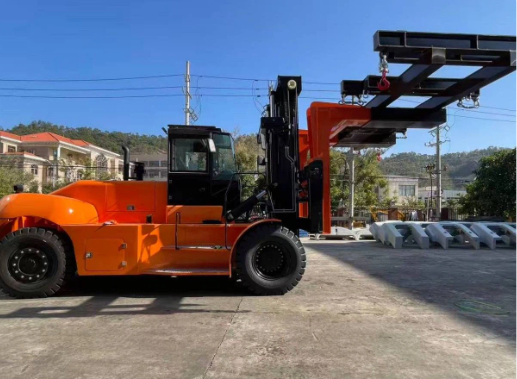
 Titan Forklift