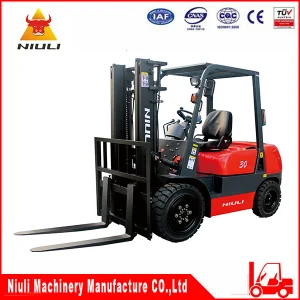
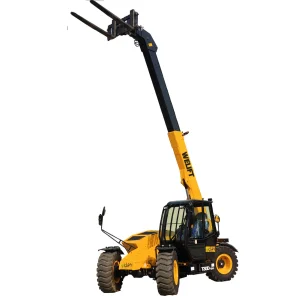
Direct-from-factory high-performance heavy lift trucks, industrial stackers, and rough terrain material handlers engineered for challenging operations globally.
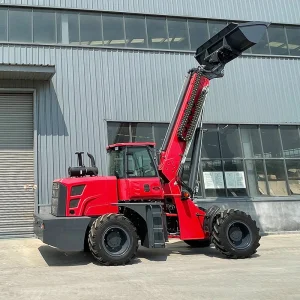
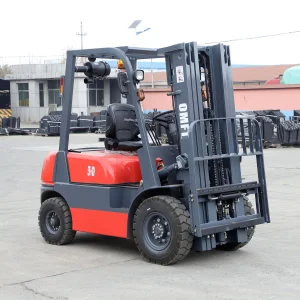
The global demand for high-capacity heavy lift trucks and advanced material handling equipment has experienced exponential growth due to rapid urbanization, mega-infrastructure projects, and the explosive expansion of multi-modal ports and container logistics terminals. Industries ranging from heavy metallurgy to port logistics require machinery that not only lifts high-tonnage loads but does so with smart power distribution, minimized carbon footprints, and uncompromised operator safety.
Modern heavy lift operations are moving away from traditional internal combustion configurations toward hybrid and high-voltage Lithium-ion structures. These technological pivots allow enterprises to lower their Total Cost of Ownership (TCO) while adhering to stringent global environmental policies, such as the EU Stage V emission standards and OSHA occupational health directives.
In this transitioning market, Chinese heavy equipment manufacturers stand at the forefront of innovation. By combining localized component ecosystems, rapid advanced engineering prototyping, and robust research investments in green technologies, manufacturers like Hangzhou Titan Forklift Co., Ltd. deliver customizable, intelligent, and cost-effective heavy lift solutions that rival legacy Western engineering while offering shorter delivery lead times.
From VNA (Very Narrow Aisle) high-lift stackers navigating dense high-rack distribution centers to rough-terrain telehandlers operating on complex construction sites, China’s industrial manufacturing sector provides high-integrity structures built to withstand extreme mechanical fatigue and diverse climatic challenges.
Founded in 2007 and headquartered in Hangzhou, Zhejiang Province, China, Hangzhou Titan Forklift Co., Ltd. is a professional manufacturer specializing in the research, design, production, sales, and service of forklifts and warehouse equipment. The company adheres to the business philosophy of “Quality First, Innovation Driven, Service Oriented,” leveraging advanced technology, rigorous quality management, and efficient service systems to lead the industry.
Titan Forklift has a comprehensive R&D platform and modern production facilities, including CNC machining centers, automated welding equipment, vehicle testing lines, and assembly lines. A strict quality control system ensures that every forklift meets international standards for reliability, safety, and durability.
By investing heavily in structural simulation software, Finite Element Analysis (FEA), and real-time stress testing, Titan Forklift ensures that its heavy lift frames and high-mast warehouse machinery achieve optimal load center ratings even under peak duty cycles. The integration of high-grade steel alloys and precision double-acting hydraulic cylinders ensures stability and prolonged lifetime margins.
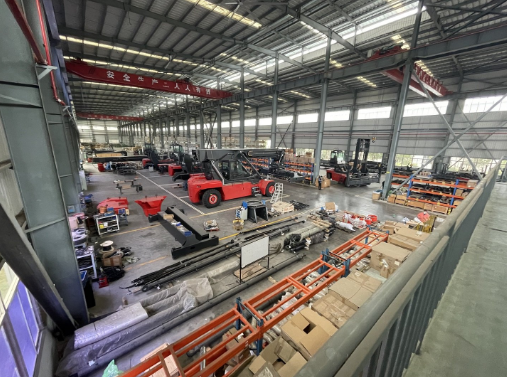
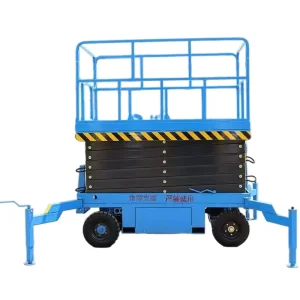
To cater to the highly demanding and diverse sectors of modern commerce, Titan Forklift has structured its product portfolio to support both heavy industrial lifting and ultra-dense storage environments:
Titan Forklift’s products are widely used in ports and terminals, logistics centers, manufacturing plants, airport cargo operations, food storage, electronics industry, and municipal engineering projects. Their reliable performance and high cost-effectiveness have earned recognition both domestically and internationally.
The global dominance of China in heavy equipment manufacturing is rooted in the depth of its integrated supply chain. In regions like Zhejiang and Jiangsu, a complete industrial cluster exists for hydraulic pumps, electronic control modules, drive axles, and metallurgy components. This proximity eliminates logistical bottlenecks, enabling rapid prototyping cycles and seamless component validation during the assembly of heavy lift trucks.
Vertical integration allows manufacturers to negotiate better raw material rates for structural steel and lithium-ion cells, passing these economic benefits directly to the end customer. Furthermore, Chinese manufacturers utilize advanced automated robotic welding processes and automated guided vehicle (AGV) internal logistics to maintain strict manufacturing consistency across every unit produced.
At the same time, this consolidated supply chain ensures an abundant and affordable inventory of replacement components. Whether you require a specialized side-shift clamp, a high-density lithium-ion battery pack replacement, or customized mast structures, the supply chain ecosystem guarantees rapid order fulfillment and minimizes lead times to global destinations.
Proximity to premier international shipping terminals like Ningbo-Zhoushan and Shanghai Ports further optimizes the transport of oversized machinery, ensuring safe container shipping or Roll-on/Roll-off (RoRo) transport with reduced oceanic freight transit times.
Every operational environment presents unique challenges. China's heavy lift trucks are engineered with localized adaptability features to perform under harsh conditions and complex spatial configurations.
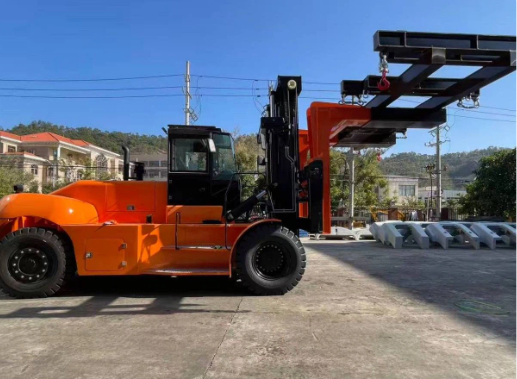
Engineered for high-frequency sea container handling and breakbulk cargo logistics. Equipped with anti-corrosion marine-grade primers, heavy-duty steer axles, and high-visibility cabin designs to manage intense 24/7 port operations safely.
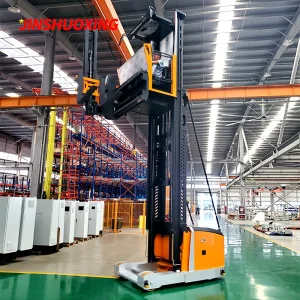
In urban logistics centers where footprint optimization is critical, Very Narrow Aisle (VNA) stackers and reach trucks maneuver effortlessly in gaps as narrow as 1.6 meters, utilizing precise 3-way rotating heads and laser guidance systems.
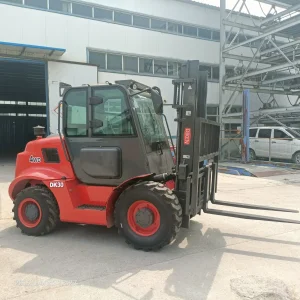
Heavy-duty rough terrain forklifts and 4WD telescopic handlers perform on loose soils, gravel, and mud. Equipped with high ground clearance, deep-tread pneumatic off-road tires, and robust differential locks for complete control.
Understanding the technical distinction between heavy internal combustion powerplants and zero-emission electric powertrains is critical for industrial fleet optimization.
| Equipment Type / Category | Typical Load Capacity | Power / Energy System | Primary Applications | Key Structural Safety Features |
|---|---|---|---|---|
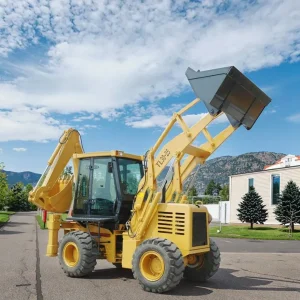
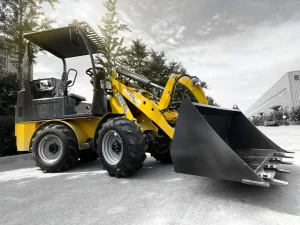
| Telescopic Handler & Loader | 3,000 kg – 5,000 kg | High-torque Diesel Engine | Construction sites, municipal engineering, loading/unloading high structures | 4WD rough-terrain traction control, heavy boom stabilizers |
| Counterbalanced Diesel Forklift | 3,000 kg – 10,000 kg | Chinese / Japanese ISUZU/Cummins | Manufacturing yards, steel fabrication mills, general shipping centers | Reinforced mast channels, low gravity chassis distribution |
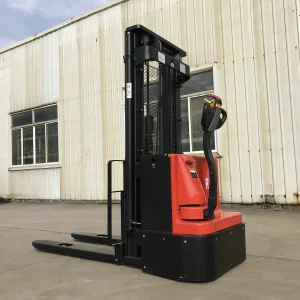
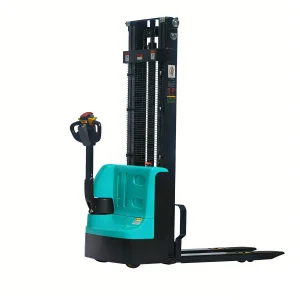
| Full Electric Pallet Stacker | 1,000 kg – 2,500 kg | Li-ion / Lead-acid Batteries | Cold storage, food processing, narrow aisle distribution centers | Automatic speed reduction at high lift, regenerative braking |
| Very Narrow Aisle (VNA) Stacker | 1,500 kg – 2,000 kg | High-capacity Li-ion System | High-density logistics hub, high-rack warehouses | 3-Way rotating fork head, overhead guard protection, cabin camera monitor |
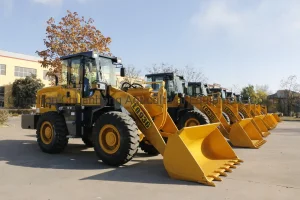
| Heavy Shovel Wheel Loader | 3,000 kg – 6,000 kg | Turbocharged Heavy Duty Diesel | Mining, quarry handling, agricultural operations, bulk material shifting | Articulated steering chassis, hydraulic pilot controls, side shift options |
The heavy lift truck sector is undergoing its most significant technological shift in half a century. Fleet managers are replacing combustion fleets with electric units due to lower operational costs, simplified maintenance, and localized environmental benefits. The transition is accelerated by advances in Lithium-ion (LiFePO4) chemistry, which allows for fast opportunity charging without standard battery swap down-times.
Furthermore, the incorporation of advanced Battery Management Systems (BMS) ensures safe operations, preventing cell thermal runaway while maximizing cells' service life. Future engineering cycles are already moving toward high-voltage systems (500V–800V), which match the high lifting speeds and lifting torques traditionally delivered by internal combustion heavy machinery.
Concurrently, autonomous warehouse automation is paving the way for Smart Warehouses. Real-time fleet management software integrated with onboard optical and LiDAR tracking allows vehicles to perform repetitive pick-and-place tasks with millimeter precision. These technologies decrease operational accidents, prevent product degradation, and optimize container movements.
As remote telemetry advances, predictive maintenance will become the standard. Machine sensors monitor hydraulic fluid temps, motor load states, and mechanical strain, alerting service crews before structural issues lead to unscheduled operational downtime.
Deploying heavy lifting assets in international jurisdictions requires complete compliance with localized industrial regulations. We ensure all exported machinery meets national standards.
Our industrial partners and export networks guarantee compliance certification across several jurisdictions, including CE conformity for European logistics terminals, ANSI/ITSDF compliance for North American operations, and localized emissions validation for regional diesel engines (including EPA Tier 4 and Euro Stage V engines).
Customization options allow clients to order units configured for specialized environments. Whether it is flameproof options for petrochemical sites, specialized reach attach clamps for paper and pulp handling, or extreme-temperature insulation for smelting yard logistics, we provide direct engineering solutions.
With a professional R&D team, a comprehensive after-sales service network, and strong customization capabilities, Hangzhou Titan Forklift Co., Ltd. provides customers with integrated solutions including equipment selection, system planning, on-site training, and maintenance support. The company is dedicated to becoming a world-class supplier of forklifts and intelligent logistics equipment.
Every heavy vehicle is accompanied by comprehensive digital manuals, schematic diagrams, and structural warranty agreements. We maintain regional spare parts warehouses to ensure that maintenance operations proceed without delays.
Advanced space-saving VNA stackers, high-performance order pickers, and all-wheel-drive rough terrain forklifts engineered to optimize logistics and heavy handling.
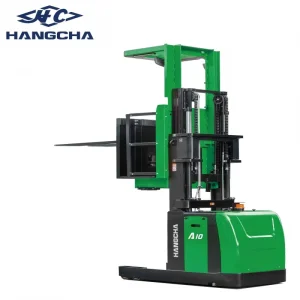
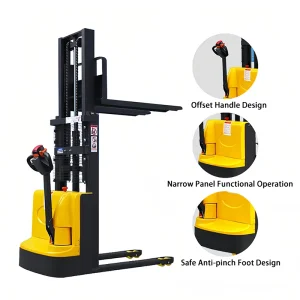
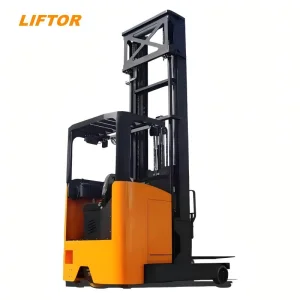
Commitment to the “Quality First” philosophy requires that every machine leaving our facilities undergo rigorous testing procedures. This includes 125% dynamic overload tests, tilt-table balance assessments, high-pressure hydraulic leak checks, and multi-hour drivetrain test runs on specialized testing tracks.
To reduce the risks of structural cracking or metal fatigue under continuous vibration, Titan Forklift employs automated CNC milling centers for its chassis plate fabrications. Submerged arc welding technology guarantees complete penetration welds on the heavy load mast rails. These structural assurances allow operators to confidently handle bulk shipments, high-density metal parts, and structural concrete sections in the most demanding settings.
The company continuously promotes technological innovation and collaborates with leading domestic power system suppliers and high-performance component manufacturers to improve vehicle performance and energy efficiency. Committed to green manufacturing and sustainable development, Titan Forklift actively expands its electric and intelligent product lines to meet the global demand for advanced logistics equipment.
Key technical answers to assist global industrial purchasers, logistics managers, and procurement officers in selecting the correct heavy vehicle platforms.
Lithium-ion (Li-ion) systems offer significantly faster charge profiles, typically achieving 100% capacity within 2 hours, and support opportunity charging during operational shifts without memory degradation. Furthermore, Li-ion batteries require no regular maintenance (no watering or battery swap stations) and have a longer service life, often exceeding 3,000 to 4,000 cycles, whereas traditional lead-acid options require strict cooling down profiles, weekly maintenance, and typically deliver 1,500 cycles.
Unlike typical counterbalanced forklifts that require 3.5 to 4.5 meters of turning aisle width, VNA stackers utilize specialized rotating masts or three-way fork heads. This allows the truck to travel along guide paths (either floor rails or wire-guided systems) in aisles as narrow as 1.5 to 1.8 meters. The forks rotate left or right to pick up pallets, allowing warehouses to double their storage density within the same physical footprint.
For European markets, our vehicles carry the CE mark, indicating conformity with machinery directive regulations and safety standards. For the United States, engines comply with EPA Tier 4 emission standards, and the truck frames comply with ANSI/ITSDF B56.1 safety configurations. Furthermore, manufacturing facilities are certified under ISO 9001 quality management, ISO 14001 environmental safety, and ISO 45001 occupational health guidelines.
Yes. For low-temperature operations, heavy lift trucks can be configured with engine block heaters, hydraulic fluid heaters, fuel water separators, and double-insulated cabin windows. For hot, dusty environments, such as desert mining sites, vehicles are fitted with dual-stage engine air filtration systems, high-capacity cooling radiators, and dust-sealed cabin modules with automated climate control systems.
Most industrial heavy lift trucks carry a standard factory warranty of 1 year or 2,000 working hours (whichever occurs first), with options to extend coverage on key structures like the drive motor, hydraulic pump, and mast assembly. Replacement parts are maintained in regional warehouses. Alternatively, standard wear parts (such as filters, seals, and hydraulic lines) utilize international brands (like Linde, TCM, Isuzu, and Rexroth components) to allow for simple local sourcing.
 Titan Forklift