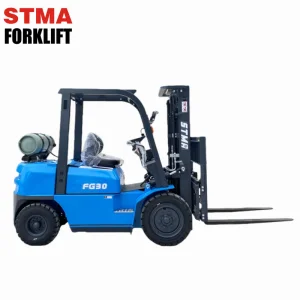
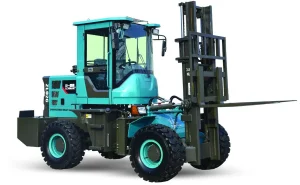
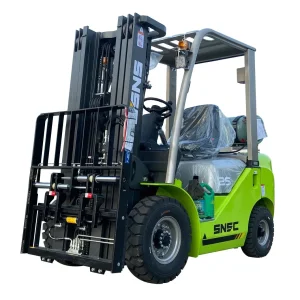
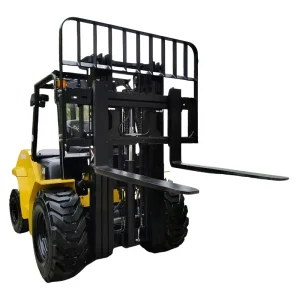
Explore our top-performing materials handling machinery, built to exceed global emissions benchmarks and intensive operations demands.
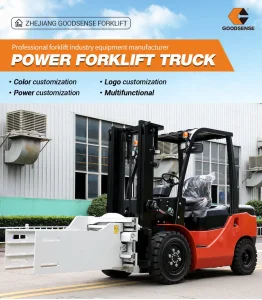
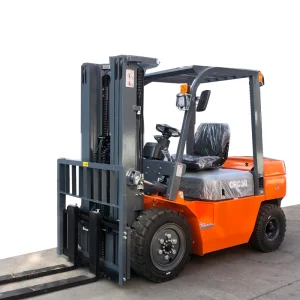
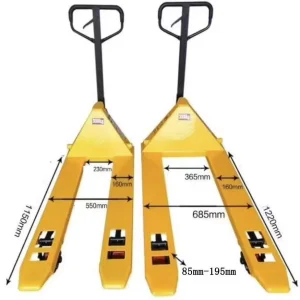
Analyzing the shifts in compliance, energy cost metrics, and operational preferences driving material handling procurement.
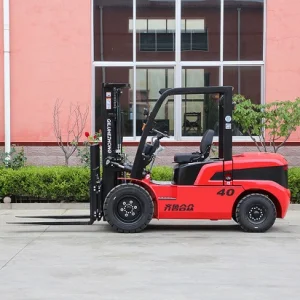
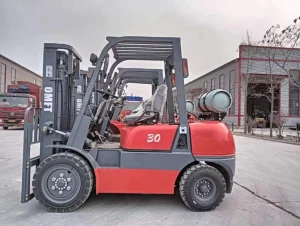
Dual-fuel LPG (Liquefied Petroleum Gas) and gasoline forklifts are the cornerstone of heavy-duty material handling across mixed indoor/outdoor environments. Unlike pure diesel models, which emit high volumes of particulate matter and are heavily restricted in indoor zones, LPG systems burn significantly cleaner. They release fewer carbon monoxide, nitrogen oxide, and hydrocarbon emissions, enabling compliance with strict industrial indoor air quality regulations.
Simultaneously, they bypass the charging downtime associated with lead-acid or lithium-ion batteries. Refueling takes less than five minutes through a simple cylinder exchange, ensuring maximum uptime for 24/7 port operations, distribution centers, and manufacturing lines.
The demand for LPG and gasoline forklifts is heavily influenced by international emissions standards. Modern fleets operate under the stringent requirements of EPA Tier 4 Final in the United States and Stage V regulations in the European Union.
Leading manufacturers address this by integrating closed-loop electronic fuel systems, three-way catalytic converters, and sophisticated engine control units (ECUs). This ensures optimal stoichiometric combustion, substantially reducing tailpipe emissions while maintaining the high torque curves needed for heavy-duty lifting.
"The strategic value of LPG/Gasoline forklifts lies in their versatility. They act as the perfect bridge—offering the power of internal combustion for rough terrain while keeping emission profiles low enough for warehouse use."
Unpacking the structural, supply chain, and technological drivers that place Chinese forklift manufacturing at the forefront of global procurement.
The localization of component manufacturing in key economic zones like Zhejiang and Jiangsu provides immediate access to specialized castings, hydraulic valves, masts, and electronics. This cluster effect dramatically minimizes logistical lead times and transport overhead, reducing the cost of raw materials and sub-assemblies.
Modern Chinese factories leverage state-of-the-art CNC machining centers, robotic welding cells (such as ABB or Kuka), and advanced automated powder-coating lines. This level of automation ensures absolute structural uniformity, zero welding defects, and consistent structural integrity of the chassis and masts, meeting demanding ISO 9001 guidelines.
By optimizing labor allocation and utilizing advanced domestic energy sources, Chinese exporters offer superior quality at a fraction of the cost of European or North American counterparts. This leads to a lower Total Cost of Ownership (TCO) without sacrificing component quality, as key parts like engines are sourced from premium brands like Nissan, Kubota, or Yanmar.
Leading Global Manufacturer & Design Pioneer Since 2007
Founded in 2007 and headquartered in the high-tech industrial hub of Hangzhou, Zhejiang Province, China, Hangzhou Titan Forklift Co., Ltd. is a professional manufacturer specializing in the research, design, production, sales, and service of forklifts and warehouse equipment. The company adheres to the core business philosophy of “Quality First, Innovation Driven, Service Oriented,” leveraging advanced technology, rigorous quality management, and efficient service systems to lead the industry.
Titan Forklift has established a comprehensive R&D platform and modern production facilities, integrating CNC machining centers, automated welding equipment, vehicle testing lines, and assembly lines. A strict quality control system ensures that every forklift meets international standards for reliability, safety, and durability.
Their reliable performance and high cost-effectiveness have earned recognition both domestically and internationally. The company continuously promotes technological innovation and collaborates with leading domestic power system suppliers and high-performance component manufacturers to improve vehicle performance and energy efficiency. Committed to green manufacturing and sustainable development, Titan Forklift actively expands its electric and intelligent product lines to meet the global demand for advanced logistics equipment.
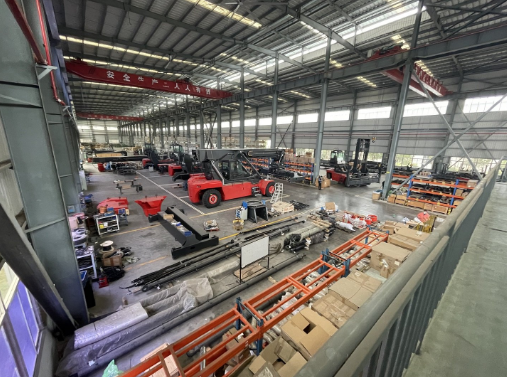
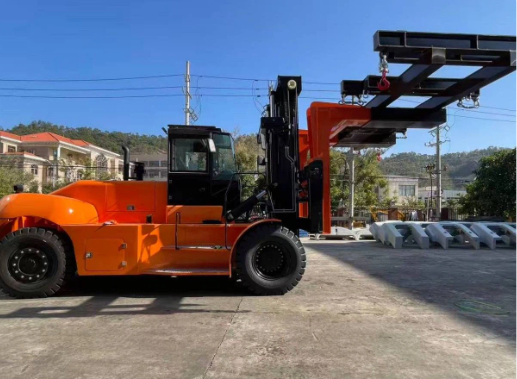
With a professional R&D team, a comprehensive after-sales service network, and strong customization capabilities, Hangzhou Titan Forklift Co., Ltd. provides customers with integrated solutions including equipment selection, system planning, on-site training, and maintenance support.
Aligning engineering configurations with the functional requirements of key global industries.
Ports and container yards operate 24/7 in harsh, high-corrosion environments. These locations require heavy-duty engines, multi-stage masts, and side-shifting attachments to unload cargo with precision. Dual-fuel gasoline/LPG models provide the raw power and rapid refueling necessary to maintain fast ship-to-shore turnaround times.
Food storage and electronic manufacturing plants impose strict regulations on indoor contaminants. Because LPG burns with negligible soot, these forklifts are widely deployed inside massive warehousing complexes. The compact frame options and cushion tires allow for narrow-aisle operation.
Airport logistics and municipal engineering projects demand high reliability and low downtime. Dual-fuel systems prevent cold-weather starting issues common in older diesel systems. Reliable performance and high safety profiles make them ideal for airport ground support and municipal utility logistics.
Helpful decision parameters for global sourcing managers comparing LPG/Gasoline forklift specifications.
| Forklift Component | Option A: Japanese Engine (Nissan/Kubota) | Option B: Chinese Domestic Premium Engine | Operational Impact & Procurement Guidance |
|---|---|---|---|
| Power Output & Torque | Consistent, high torque at low RPM. Highly refined fuel efficiency. | Strong power curve, optimized for heavy loads. Built for robust cycles. | Choose Japanese engines for strict regulatory areas (EPA/Stage V). Choose Chinese engines for standard emissions and cost savings. |
| Emission Performance | Certified compliant with EU Stage V and EPA Tier 4 requirements. | Fully compliant with standard global requirements; fits most developing regions. | Essential for food storage and indoor warehouses requiring minimal CO/NOx emissions. |
| Mast Configurations | 3-Stage Full Free Mast (allows high lift in limited vertical space). | 2-Stage Standard / Full Free Mast (ideal for outdoor or open layouts). | Choose 3-stage full free masts for container loading/unloading and high-density racking. |
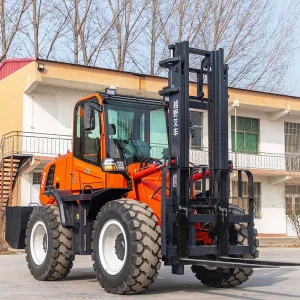
| Tires Type | Cushion Tires (smooth, low clearance, tight turning radius). | Pneumatic / Solid Tires (high ground clearance, rough terrain). | Cushion tires are specialized for indoor concrete yards; pneumatic tires are mandatory for uneven soil, construction, and farms. |
How the intersection of digitalization, ESG compliance, and smart telemetry is shaping the next generation of materials handling.
The modern warehouse is a highly integrated data environment. Modern LPG/Gasoline forklifts are increasingly outfitted with intelligent vehicle management systems. These systems monitor fuel consumption rates, exhaust chemical densities, engine temperature cycles, and operator behavior in real-time. By leveraging integrated IoT devices, managers receive preventative maintenance warnings, preventing costly mechanical failures and reducing fleet down-time.
As automation takes hold, forklift designs are evolving to interface with AGV setups. Using LiDAR sensor arrays and optical vision cameras, smart forklift models can transition between manual operators and automated track routing. Manufacturers like Hangzhou Titan Forklift are leading this transition, developing automated warehouse equipment designed for low-light, high-intensity logistics yards.
Get answers to the most common queries regarding LPG/Gasoline dual-fuel forklifts, sourcing logistics, and technology integration.
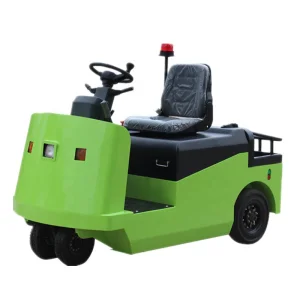
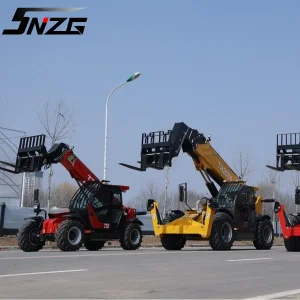
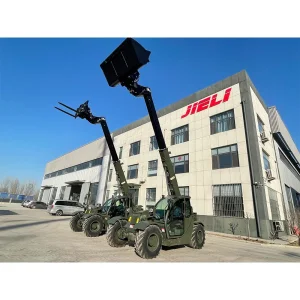
Discover our remaining specialized material handling machinery, rugged terrain configurations, and heavy-duty towing solutions.
 Titan Forklift