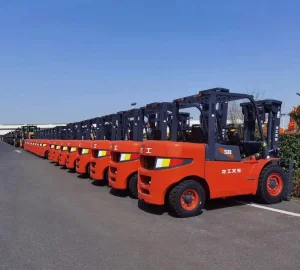
Engineered to operate reliably under rugged terrains, fluctuating temperature zones, and dust conditions typical of Afghanistan's industrial corridors.
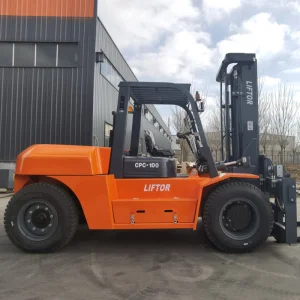
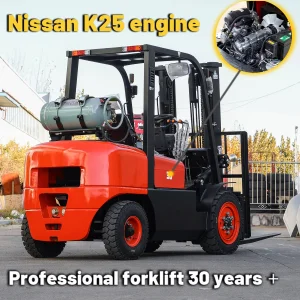
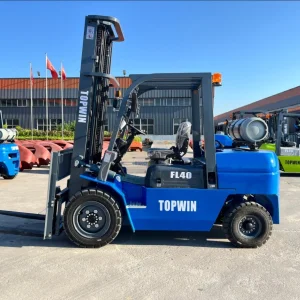
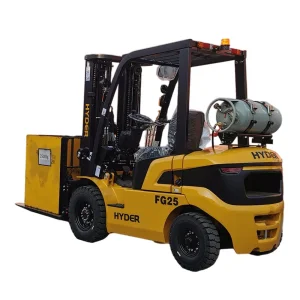
As international trade corridors open and rebuilding projects multiply in industrial zones like Kabul, Mazar-i-Sharif, and Herat, the demand for robust logistics infrastructure has surged. However, local conditions pose specific challenges: unstable electrical grids limit the reliance on heavy electric forklift charging stations, while highly populated indoor warehouses struggle with the heavy particulates emitted by older diesel machinery.
This is where LPG/Gasoline Dual-Fuel Forklifts serve as the ultimate operational middle ground. Benefiting from clean combustion, low emissions, high cold-start dependability, and rapid cylinder refilling, dual-fuel systems enable uninterrupted operations across Afghanistan’s diverse industrial, trading, and warehousing sectors.
Dual fuel systems bypass grid bottlenecks. A quick swap of an LPG canister keeps your fleet running 24/7, even during severe regional power outages.
A rigorous technical comparison showing the clear efficiency and environmental advantages of dual-fuel engines over traditional single-source powertrains.
| Operational Factor | LPG / Gasoline Dual-Fuel | Electric Power | Diesel Power |
|---|---|---|---|
| Infrastructure Requirement | Very Low (Standard Gas Tanks / Gas Station Fueling) | Very High (Stable grid, charging stations required) | Low (Diesel fuel tanks) |
| Cold Weather Operations | Excellent (LPG does not gel in freezing Afghan winter) | Moderate (Lithium battery performance drops drastically) | Poor (Fuel gelling risk without special fuel heaters) |
| Indoor Emission Safety | Very Good (Low emissions, safe for enclosed warehouses) | Perfect (Zero emissions) | Unacceptable for food/pharmaceutical facilities |
| Continuous Run Time | Unlimited (Refuel or swap LPG cylinder in 3 minutes) | Limited (Requires hours of charging or battery swap) | Unlimited (Quick diesel refuel) |
Global Strength, Chinese Engineering Excellence, and Reliable Central Asian Logistical Supply Chains
Founded in 2007 and headquartered in Hangzhou, Zhejiang Province, China, Hangzhou Titan Forklift Co., Ltd. is a professional manufacturer specializing in the research, design, production, sales, and service of forklifts and warehouse equipment. The company adheres to the business philosophy of “Quality First, Innovation Driven, Service Oriented,” leveraging advanced technology, rigorous quality management, and efficient service systems to lead the industry.
Titan Forklift has a comprehensive R&D platform and modern production facilities, including CNC machining centers, automated welding equipment, vehicle testing lines, and assembly lines. A strict quality control system ensures that every forklift meets international standards for reliability, safety, and durability.
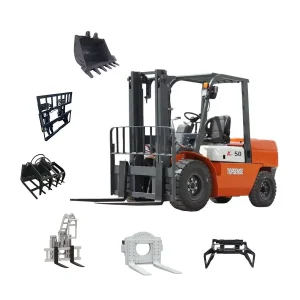
The main product lines include:
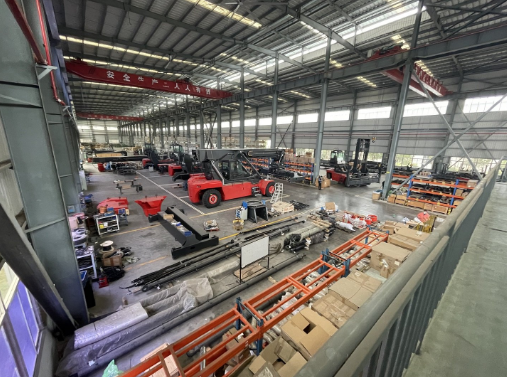
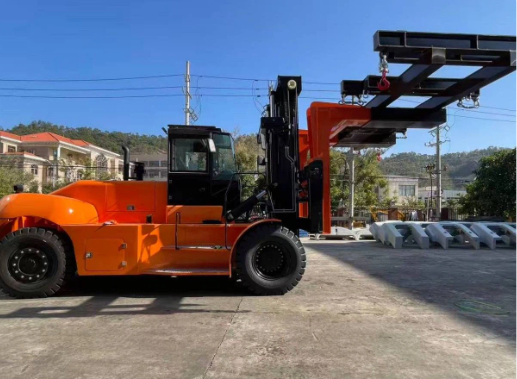
Titan Forklift’s products are widely used in ports and terminals, logistics centers, manufacturing plants, airport cargo operations, food storage, electronics industry, and municipal engineering projects. Their reliable performance and high cost-effectiveness have earned recognition both domestically and internationally.
The company continuously promotes technological innovation and collaborates with leading domestic power system suppliers and high-performance component manufacturers to improve vehicle performance and energy efficiency. Committed to green manufacturing and sustainable development, Titan Forklift actively expands its electric and intelligent product lines to meet the global demand for advanced logistics equipment.
With a professional R&D team, a comprehensive after-sales service network, and strong customization capabilities, Hangzhou Titan Forklift Co., Ltd. provides customers with integrated solutions including equipment selection, system planning, on-site training, and maintenance support. The company is dedicated to becoming a world-class supplier of forklifts and intelligent logistics equipment.
Through close field analysis, Titan Forklift has developed specific equipment enhancements designed to handle dust, altitude, and poor fuel grades.
Afghan cities and transit roads have high fine-dust profiles. Our trucks come configured with dual-element or cyclone intake pre-filters to keep dust out of the engine block, increasing service life by 40%.
In areas like Kandahar, summer temperatures easily push past 45°C. We equip our LPG/Gasoline trucks with oversized copper-core radiators and a large-airflow fan to prevent thermal overheating.
For operations moving over unpaved storage yards or damaged warehouse surfaces, our forklifts offer increased clearance and reinforced solid-pneumatic tires to withstand tire punctures.
Exporting to Afghanistan requires extensive logistical expertise. Titan Forklift has spent years building reliable transportation routes to ensure cargo arrives intact, on time, and completely compliant with local customs.
We support multiple logistics channels including land route transit from Karachi Port (Pakistan) through the Torkham or Chaman border points, and northern pathways from Central Asia (Uzbekistan / Turkmenistan) direct to Hairatan and Torghundi dry ports. Every machine is wrapped in heavy anti-corrosion barrier packaging to handle open shipping platforms.
Titan Forklift processes all designs in strict alignment with global quality assurance measures. Our products satisfy rigorous export testing protocols to ensure stable operations for decades.
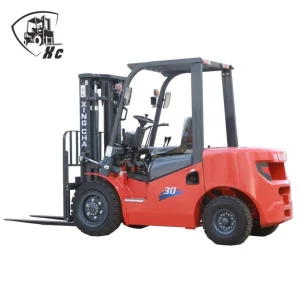
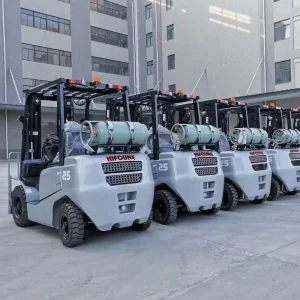
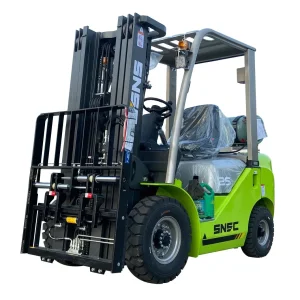
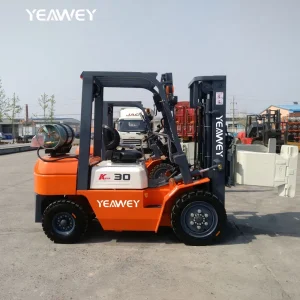
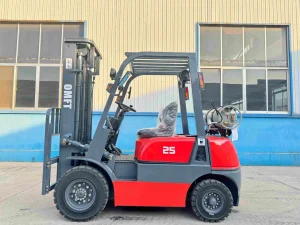
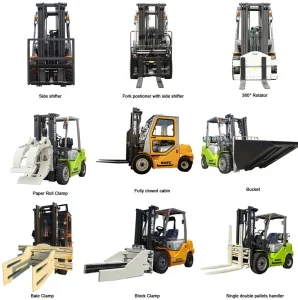
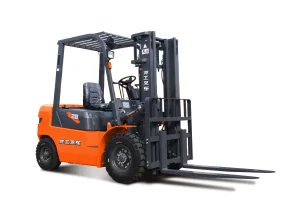
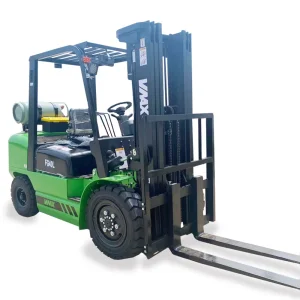
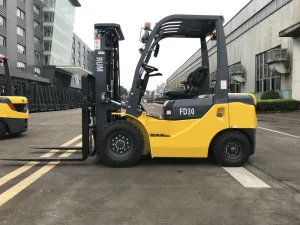
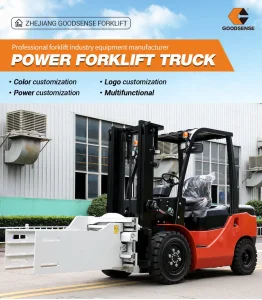
Select from our certified list of high-efficiency gasoline and LPG dual-fuel models designed for commercial distribution and heavy logistics in Afghanistan.
Essential insights for procurement managers and logistics coordinators importing industrial equipment to Afghanistan.
We primarily utilize two routes: Sea shipping from Shanghai or Ningbo ports to Karachi (Pakistan), followed by inland flatbed trucking via Torkham or Chaman border crossings; or rail/road routes through Central Asia (Kazakhstan and Uzbekistan) to northern Afghan borders. All machinery is secured with anti-rust coatings and protective wraps.
Battery-powered units require consistent and stable grid connections to charge, which is currently challenging in many Afghan industrial zones. Dual-fuel forklifts can run continuously simply by swapping standard LPG tanks or refilling with gasoline, removing grid dependency entirely.
Yes. Titan Forklift matches key power components with standard Japanese structures (like Nissan K21/K25 or Toyota 4Y designs). Parts are highly compatible, globally distributed, and we maintain an express service dispatch channel to minimize regional down-time.
Our dual-fuel engines are calibrated with highly tolerant mechanical fuel induction systems and heavy-duty inline filters. Compared to sensitive common-rail high-pressure diesel systems, our gasoline/LPG carburetors are much less prone to clogging from fuel particulates.
High altitudes have lower oxygen density, which can degrade engine performance. Our technical team can factory-tune carburetors and air intakes to maintain an optimal air-fuel ratio at high altitudes, preventing excessive fuel use and power drops.
Production cycles typically take 20 to 30 days depending on custom specifications (such as triplex mast configurations or cabin additions). Shipping and customs routing adds another 25 to 35 days, meaning cargo is usually delivered within 45 to 65 days.
Contact our engineering sales team today to request structural specifications, duty-free zone transit clearances, or specialized engine modifications for your fleet.
Request Tech Quote & Catalog Titan Forklift